The most practical Angola souvenirs are textiles, small wooden crafts, locally made accessories, and packaged food items where import rules allow them.
These choices are easier to pack, meaningful as gifts, and simpler to compare than large décor or undocumented antiques. For a distinctive purchase, look for items connected to everyday Angolan life and established craft traditions, including Chokwe visual-art influences.
Fabric is often the safest low-stress option, while a carefully selected carved object can suit a home décor buyer. Use the kwanza (AOA) for local pricing, but expect costs and availability to vary by location, seller, season, and exchange conditions.
Before spending more on handmade work, ask about its materials and origin, and keep the receipt.
At a Glance
- Best all-round choices: printed textiles, small wood crafts, locally made accessories, and permitted packaged food items.
- For easier travel: choose flat, light, non-fragile items and avoid uncertain natural or animal-derived materials.
- Before paying more: compare size, material, workmanship, and proof of origin, then keep your receipt.
| Souvenir Type | Spending Level | Suitcase Space | Authenticity Check | Gift Suitability |
|---|---|---|---|---|
| Printed fabric or textile item | Low to mid-range | Low | Ask how and where it was made or sourced | Excellent for friends and family |
| Small wooden carving or decorative object | Low to mid-range | Low to medium | Confirm wood type, origin, and whether it is newly made | Good for personal or close-family gifts |
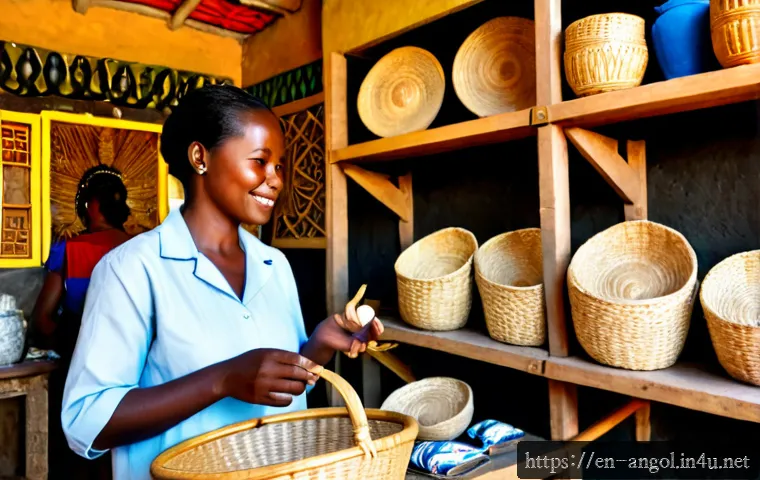
| Basket or artisan-made accessory | Low to mid-range | Low to medium | Check materials, construction, and seller details | Useful and easy to personalize |
| Artwork or larger handmade décor | Higher-value | Medium to high | Request a receipt and clear information on origin and materials | Best for collectors or a major home gift |
The Best Souvenir Choices for Most Visitors
Quick Answer: Textiles, Small Crafts, Accessories, and Giftable Local Products
If you want one simple answer, start with textiles, compact wooden pieces, handmade accessories, and locally packaged products where permitted. They cover most budgets and are generally easier to carry than oversized decorative objects. Textiles are especially practical because printed fabrics are widely used in Angolan clothing and everyday life, giving them a direct connection to local visual culture.
A fabric piece can be chosen for its color and pattern without creating a packing problem. A small carved figure, mask, or decorative object may feel more personal, but it needs closer inspection for cracks, weight, fragile details, and material concerns. For a small gift, an accessory or an everyday item can be a better choice than something that looks impressive but is difficult to transport.
What Makes a Souvenir Feel Distinctly Angolan
A memorable Angola souvenir does not need to be large or expensive. The strongest choices usually have a visible connection to craft, material, use, or visual tradition. Angola has diverse cultural traditions, including internationally recognized Chokwe visual-art traditions. This makes thoughtfully selected visual motifs, carvings, and decorative work worth considering when the seller can explain what the item is and where it comes from.
Do not assume that every market item is handmade, antique, or tied to a specific tradition. A straightforward question can help: ask whether the piece is newly made, what it is made from, and where it was produced. Clear answers, careful workmanship, and a receipt matter more than a dramatic sales story.
What to Prioritize If You Have Limited Luggage Space
Carry-on travelers should put flat, light, and durable first. Fabric pieces, small accessories, and compact non-fragile crafts are usually more convenient than masks, tall figures, or large baskets. Choose items without sharp edges or loose elements, and avoid buying a bulky object simply because it is visually striking in the market.
If you are selecting a wooden item, inspect whether it can be wrapped securely and whether its material may raise customs questions. A smaller piece with clear material information is often a safer travel gift than a larger decorative object with no documentation.
Compare Angola Gift Ideas by Price, Size, and Authenticity
Low-Cost Gifts: Fabric Pieces, Small Accessories, and Everyday Items
For coworkers, neighbors, or several people on your gift list, fabric and small accessories are sensible starting points. They are easier to compare, simple to pack, and can feel thoughtful without requiring a large purchase. A printed fabric item can also be more useful than a purely decorative souvenir because the recipient may incorporate it into clothing, wrapping, or home use.
At this level, focus on condition, pattern, portability, and gift purpose. Check for stains, loose stitching, unfinished edges, or marks that may become visible once the item is unfolded. Prices can vary widely, so compare similar items before deciding rather than treating the first price as a fixed standard.
Mid-Range Gifts: Carved Décor, Baskets, and Artisan-Made Pieces
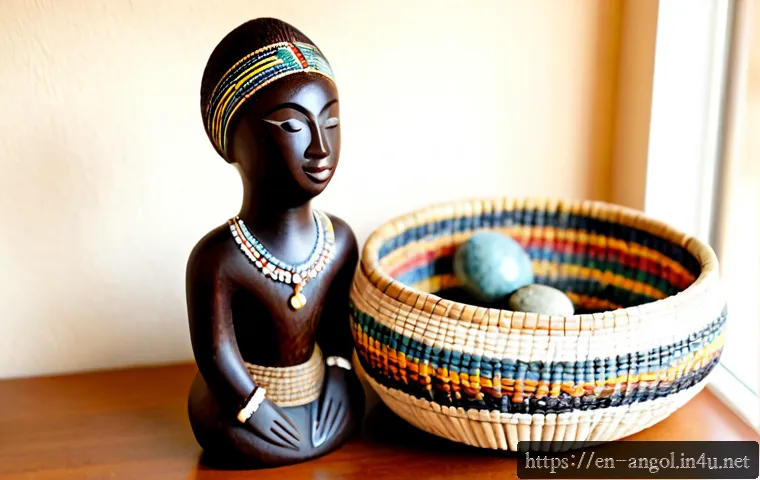
Mid-range purchases may include hand-carved wooden figures, masks, decorative objects, baskets, or more detailed accessories. These can make stronger gifts when you want something with visible craft value. Hand-carved wooden objects are commonly associated with craft markets across parts of Angola, but construction and quality can differ from seller to seller.
Examine the item in good light. Look at the finish, balance, joins, and any delicate areas. Ask about the material before buying, especially when a piece appears to use natural products or components you cannot identify. A practical gift should not become a customs problem or arrive home damaged.
Higher-Value Purchases: Artwork and Larger Handmade Objects
Artwork and larger handmade décor may suit buyers furnishing a home, collecting African art, or choosing a major family gift. The decision should be slower here. Higher cost does not automatically prove authenticity, age, cultural significance, or export eligibility.
For a higher-value item, ask for seller details, origin information, material details, and a receipt. If the seller describes an object as antique, culturally important, or especially rare, treat that as a reason to verify more carefully, not as a reason to rush. Consider packing requirements before paying: a beautiful piece is less practical if it cannot be protected in luggage or transported legally.
Questions to Ask Before Paying More for a Craft Item
Use a short set of questions before moving from a casual market purchase to a higher-value craft purchase:
- What materials were used?
- Where was this made or sourced?
- Is it newly made, or is it being presented as an older object?
- Can the seller provide a receipt?
- Is there anything about the material that could affect export or import?
You may not receive complete answers in every setting. When details remain unclear, choose a simpler item with fewer restrictions rather than taking a chance on a costly purchase.
Where and How to Shop Responsibly
Market Shopping Versus Curated Craft Stores
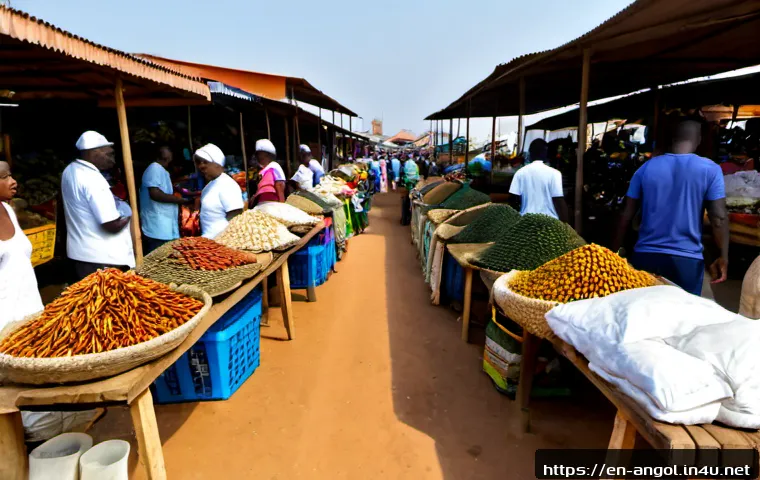
Markets can offer variety, direct conversation with sellers, and many small gift options in one visit. Curated craft stores may make it easier to compare finished pieces and ask for documentation. Neither setting guarantees a specific level of quality or authenticity, so the same selection criteria apply in both places.
For an inexpensive textile or everyday gift, a market purchase may be enough. For a larger carved object, artwork, or a piece promoted as handmade or unusual, a setting where you can obtain clear seller and material information may be more useful.
How to Discuss Price Respectfully and Avoid Rushed Purchases
Start by deciding what the item is worth to you as a gift, not only what you hope to pay. You can compare similar items, ask calmly about the price in kwanza (AOA), and take time to inspect the workmanship. Respectful discussion is better than aggressive bargaining, particularly when an item represents substantial handwork.
Avoid buying under pressure. If you feel uncertain about the material, provenance, or condition, step away and compare alternatives. This is especially important for objects that are large, fragile, described as old, or difficult to identify.
Why Receipts, Seller Details, and Material Information Matter
Receipts are useful for higher-value purchases and may help show when and where you bought an item. Seller details and material information can also support practical decisions about packing and customs. These records do not automatically make an item exportable or importable, but they are better than traveling with no proof of purchase at all.
Keep receipts separate from wrapping materials so they are easy to find. If you buy several items, make a simple note identifying each purchase, especially if different materials are involved.
Packing, Customs, and Common Buying Mistakes
Items That May Be Difficult to Carry, Ship, or Import
Large masks, tall carvings, oversized baskets, fragile artwork, and heavy decorative pieces can be difficult to pack. Natural materials, animal products, antiques, and culturally significant objects may also be subject to export restrictions or customs rules. Import requirements depend on your destination country, so there is no single rule that applies to every traveler.
Packaged food items can be appealing gifts, but you should verify whether the product is allowed at your destination. If the item has unclear ingredients, damaged packaging, or uncertain import status, choose a non-food souvenir instead.
Avoiding Protected Materials, Undocumented Antiques, and Fragile Purchases
Do not rely on appearance alone. An item may look like ordinary wood, bone, shell, leather, or an old object, but its actual materials and status may be different from what you assume. Avoid purchasing objects made from materials you cannot identify. Be particularly cautious with pieces presented as antique, traditional, protected, or rare without documentation.
A modest, clearly described modern craft item is often the safer choice. It can still be meaningful, visually distinctive, and easier to explain if you are asked about it while traveling.
Packaging Tips for Wood, Fabric, Food, and Artwork
Wrap wooden objects to protect corners, handles, and carved details. Keep textiles clean and dry in a separate bag. Leave food products in their original sealed packaging where possible, and protect artwork from bending, moisture, and pressure. Do not pack receipts inside an item where they may be lost during inspection.
Before your return journey, review your airline baggage conditions and your destination’s customs guidance. This is particularly important for items with natural materials or higher declared value.
Souvenir Recommendations by Traveler Type
Best Options for Friends, Family, and Coworkers
For several recipients, choose small, repeatable, easy-to-pack gifts. Printed fabric pieces and locally made accessories are flexible choices because they are personal without requiring a large budget or extra luggage space. For close family, a small carved decorative object can feel more individual if its material and origin are clear.
Good Choices for Home Décor Collectors
Home décor buyers may prefer carved figures, masks, baskets, or artwork. Choose one piece that fits the recipient’s space and taste rather than several items that need complicated packing. Look for workmanship and a clear explanation of materials before treating a piece as a long-term decorative purchase.
Practical Picks for Carry-On-Only Travelers
Carry-on-only travelers should favor textiles, compact accessories, and small durable items. Skip large wooden objects, fragile artwork, and anything with uncertain natural materials. The best carry-on souvenir is usually the one that is light, flat, easy to inspect, and easy to explain.
Selection Criteria and Comparison Summary
Before buying an Angola souvenir, check these decision points: gift purpose, suitcase space, material, condition, origin information, and customs suitability. Choose textiles or small accessories when you need simple, luggage-friendly gifts. Choose carved décor or artwork only when you can inspect it carefully, carry it safely, and obtain a receipt. Compare size, material, and proof of origin before choosing a higher-value piece. For official import or customs conditions, check the relevant authority’s guidance before travel.
In Closing
The best Angola souvenir is not necessarily the biggest or most expensive item. A printed textile, small carved object, or well-made accessory can be a meaningful reminder of the trip when it is chosen with care. Prioritize clear materials, practical packing, and a receipt for valuable purchases. When uncertain, a simple local gift is usually the more comfortable choice.
Useful Things to Know
Currency: Angola’s official currency is the kwanza (AOA).
Documentation: Keep receipts for higher-value craft items.
Materials: Ask about origin and materials before buying natural or animal-derived products.
Travel planning: Destination-country customs rules may differ from Angola’s export requirements.
Important Notes
Exact prices, product availability, quality, and exchange conditions vary by city, market, season, and seller. Whether a specific item is handmade, antique, culturally protected, or legally exportable must be verified before purchase. Customs duties, prohibited items, and food-import rules depend on the country you are traveling to.
Frequently Asked Questions
Q1. What are the best souvenirs to buy in Angola for friends and family?
A1. Printed textiles, small locally made accessories, compact wood crafts, and permitted packaged food items are practical choices. Textiles are especially useful for multiple recipients because they are light and easy to pack. For a closer family gift, choose a small decorative piece after checking its materials and condition.
Q2. How much should I budget for handmade crafts and textiles in Angola?
A2. Prices vary by city, market, season, seller, workmanship, size, and exchange conditions. Instead of relying on a fixed amount, compare similar items, decide your own spending level, and ask for a receipt when buying a higher-value craft piece.
Q3. Can I bring wooden carvings, food products, or traditional objects home from Angola?
A3. It depends on the item’s materials, export status, and the import rules of your destination country. Natural materials, animal products, antiques, and culturally significant objects may be restricted. Keep receipts, ask sellers about origin and materials, and verify customs requirements before traveling.