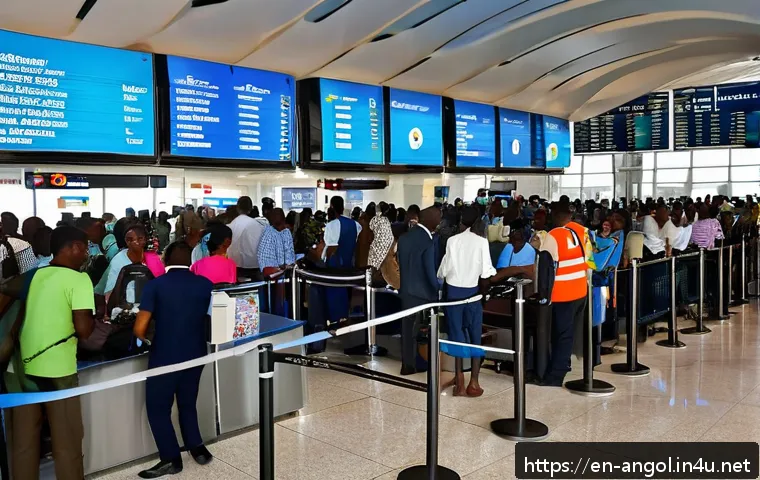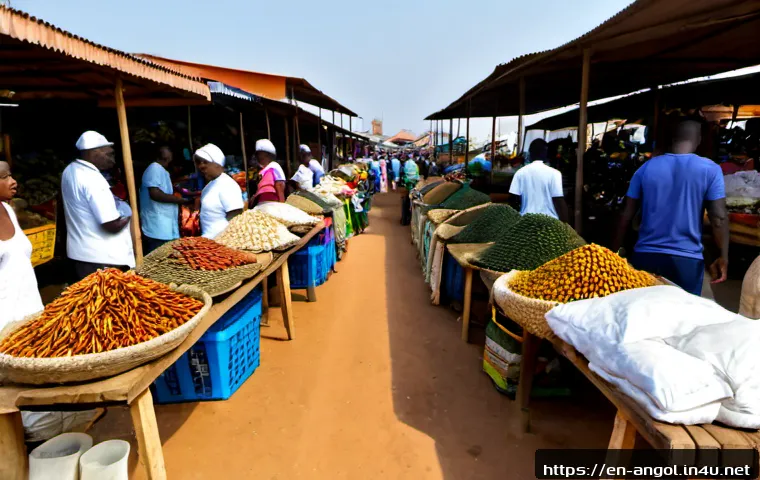
Roque Santeiro was widely known as Angola’s historic largest open-air market, but it closed in 2010. It is not a current market destination, so travelers should verify which Luanda-area market best fits their purpose today.
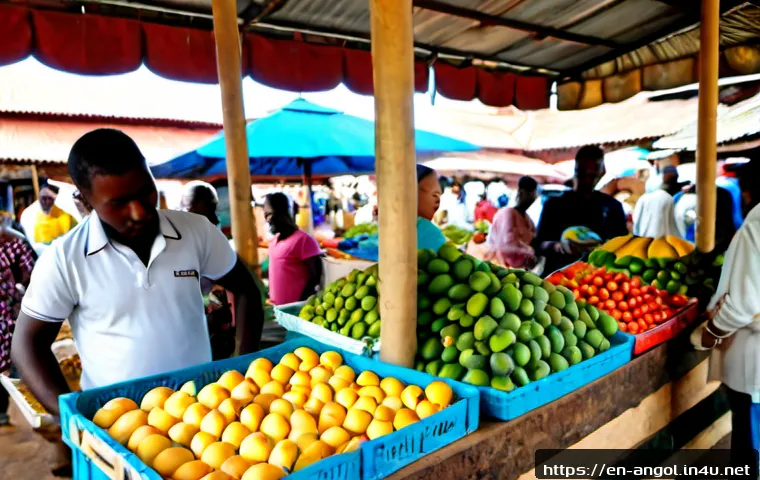
The name still matters because it describes the scale and variety of informal trade that once shaped shopping in the capital. For a practical visit, compare market location, product type, payment readiness, and transport access instead of relying on older listings.
A centrally located hotel, a clearly arranged taxi or private driver, and enough kwanza for confirmed cash purchases can make planning simpler. Business visitors and researchers may also benefit from local support when time, access, or sourcing needs are specific.
At a Glance
- Historic answer: Roque Santeiro was widely described as one of Angola’s and Africa’s largest open-air markets during its operation.
- Current reality: Roque Santeiro closed in 2010, and market activity shifted toward other trading areas, including Panguila north of Luanda.
- Best planning rule: Confirm the current market, operating conditions, payment options, and transport arrangements locally before leaving.
| Planning factor | Central Luanda markets | Outer trading areas |
|---|---|---|
| Access | May be more practical for visitors staying in central districts. | Can require more deliberate transport planning from central Luanda. |
| Shopping purpose | Consider for everyday purchases and a more manageable local shopping visit. | Consider when observing broader trading activity, sourcing, or wholesale-oriented movement. |
| Payment checks | Ask each vendor what payment method is accepted before selecting goods. | Do not assume cards, mobile payments, or foreign currency will be accepted. |
| Visitor suitability | Potentially easier for a first visit when chosen for proximity and clear transport. | May be better with a private driver, local business contact, or locally arranged guide. |
The Short Answer: Roque Santeiro Was the Historic Giant
If you are searching for Angola’s largest market, Roque Santeiro is the historical answer. It was an open-air market in Luanda and was widely described as one of the largest of its kind in Angola and Africa while it operated. Its reputation came from the breadth of activity rather than one narrow retail category.
Visitors could associate the market with food, clothing, household goods, imported products, and informal trade items. That mix made it relevant to ordinary shoppers, traders, observers of urban commerce, and people looking for practical goods in one large trading environment.
Why It Became Angola’s Best-Known Large Market
Roque Santeiro became widely known because it brought together many forms of buying and selling in a single open-air setting. A market can be called “largest” for different reasons: physical area, trader volume, customer traffic, or economic importance. Roque Santeiro’s historic recognition reflects its scale and commercial role, not a current ranking that can be used without checking.
For researchers and business travelers, the market’s legacy is useful context. It helps explain why older travel articles, maps, and conversations may still refer to Roque Santeiro when discussing market life in Luanda.
Why a Historical Answer Is Not a Current Destination Recommendation
Roque Santeiro closed in 2010. That means an old article calling it the city’s biggest market should not be treated as a current itinerary suggestion. Before booking a hotel, arranging a driver, or setting aside shopping time, identify the specific market that is active and appropriate for your present purpose.
Do not make transport or purchasing decisions from historical listings alone. Current vendor locations, access conditions, hours, and payment practices can vary by market and may change over time.
What Changed After the Market Closed
After the 2010 closure, traders and market activity were moved toward alternative trading areas, including Panguila, north of Luanda. This relocation is the key reason the question “What is Angola’s largest market?” needs a two-part answer: one for history and another for current conditions.
The 2010 Closure and Trader Relocation
The closure was part of redevelopment and relocation efforts. The important visitor takeaway is simple: activity did not remain fixed in the former Roque Santeiro location. A traveler interested in market shopping, informal trade observation, or business sourcing should ask locally where the relevant vendors are operating now.
A local business contact can be especially useful when the goal is not casual browsing but locating a particular product category. This can reduce unnecessary travel between areas and help clarify whether a market is suitable for retail purchases, trade observation, or supplier conversations.
Why Market Size and Importance Can Shift Over Time
A current “largest market” claim depends on the measurement. One market may have a large footprint, while another may have heavier customer traffic or greater importance for a certain type of trade. Without current local verification, it is not reliable to name one active market as Angola’s undisputed largest by area, trader count, or sales volume.
Use a more practical question instead: Which market is best for my location, shopping purpose, and transport plan? That question leads to a safer and more useful choice than a headline ranking.
How to Compare Markets in and Around Luanda
The right market depends less on a historic title and more on practical conditions. Start with where you are staying, what you intend to buy or observe, and how easily you can return after your visit.
Location, Product Categories, and Access From Central Districts
If you are staying in central Luanda, begin by considering travel distance and the time needed to reach a market area. Central options may be more convenient for everyday shopping needs or a shorter visit. Outer trading areas may be more relevant for people interested in broader commercial movement, but they require a clearer transport plan.
Make your product goal specific. Food purchases, clothing, household goods, imported products, and informal trade items do not always require the same location or the same amount of time. For business travel, tell a local contact what category you are seeking before arranging a vehicle.
Cash, Payment Confirmation, and Budget Planning in Kwanza
Angola’s currency is the kwanza (AOA). However, payment acceptance can vary by vendor and location. Do not assume that a card, mobile payment option, or foreign currency will be accepted just because it is accepted elsewhere.
Before departure, confirm how you will pay for transport and purchases. Ask about the accepted method before agreeing to buy an item, and confirm transport terms in kwanza when possible. This is budgeting guidance, not a price estimate: current fares, driver costs, guide fees, and product prices must be checked directly.
Transport Choices: Taxi, Private Driver, or Locally Arranged Guide
A taxi may suit a straightforward point-to-point visit when you have confirmed the destination and return arrangements. A private driver may be worth considering when the market is farther from your hotel, when you want flexibility, or when multiple stops are involved. A locally arranged guide or business contact can be helpful when you need help identifying a market, communicating your purpose, or navigating unfamiliar trading areas.
Choose based on your needs, not on a promise that one option is always better. Confirm the destination, payment terms, waiting arrangements, and return plan before you leave.
Practical Visit Planning and Common Mistakes
Market visits are easier when the basics are confirmed in advance. The most common errors come from outdated information, unclear transport expectations, and assumptions about payment methods.
Confirm Current Operating Hours Before Traveling
Current opening hours and vendor presence are not fixed facts that should be guessed from an old guide. Confirm the market’s operating status and the best time for your intended visit through a current local source, accommodation staff, a driver, or a business contact.
This matters even more if you are planning around a flight, meeting, or limited business travel schedule. A quick confirmation can prevent a wasted trip.

Keep Valuables Secure and Agree on Transport Terms in Advance
Carry only what you need for the visit and keep valuables secure. Before entering a market area, make sure you understand your transport plan: where you will be dropped off, whether the driver will wait, and how you will return.
Clear terms reduce confusion. Ask for payment expectations in advance and confirm the currency used for the arrangement. Avoid leaving these details until the end of the visit.
Avoid Assuming Every Vendor Accepts Cards or Foreign Currency
Payment practices can differ from one vendor to another. Even if you have a card or foreign currency available, that does not mean it will be accepted for a particular purchase. Ask first, then decide whether the item and payment arrangement work for you.
For a simple shopping plan, keep your purchases flexible. For sourcing or larger buying discussions, verify payment expectations before investing time in travel.
Which Market Experience Fits Your Purpose?
There is no single market choice that fits every traveler. The better approach is to match the visit to your reason for going.
Everyday Shopping and Food Purchases
For everyday goods or food purchases, prioritize convenience, proximity, and a clear return route. A market closer to your accommodation may be more useful than a more distant trading area with a historic or commercial reputation.
Confirm what you need before going, including whether the relevant items are likely to be available and what payment method is expected.
Wholesale Sourcing and Informal Trade Observation
For wholesale sourcing, informal trade observation, or research, wider trading areas may be more relevant than a small nearby shopping stop. In this case, a private driver, local guide, or business contact may save time by helping you focus on the correct area and product category.
Do not assume that market size alone guarantees a useful sourcing visit. The key question is whether the right traders and products are active where you plan to go.
First-Time Visitors Seeking a More Manageable Local Shopping Experience
First-time visitors may prefer an option that is easier to reach from central Luanda and simpler to leave when finished. Start with a modest, clearly planned visit rather than treating a large trading area as an all-day destination without local confirmation.
A hotel location that supports practical transport can be part of the decision. When comparing accommodation, look at access to the districts and meeting points relevant to your itinerary rather than relying only on a market name.
Selection Criteria and Comparison Summary
Before choosing a market, check your purpose, distance from your hotel, current operating status, payment readiness in kwanza, and your return transport plan. For a quick personal shopping trip, a central option with simple access may be enough. For sourcing, research, or a visit to an outer trading area, a private driver, local guide, or business contact may be a practical use of your travel budget.
When comparing transport services, guided market visits, or business travel arrangements, review the destination coverage, waiting terms, payment conditions, and cancellation details on the relevant provider page before booking.
Closing Thoughts
Roque Santeiro remains the best-known historical answer to the question of Angola’s largest market. It is also a reminder that market information can become outdated after closures and relocations. Today, the useful decision is not whether to find Roque Santeiro, but how to choose an active market that fits your plans. Verify locally, carry a workable payment plan in kwanza, and arrange transport with the return journey in mind.
Useful Information
1. Roque Santeiro was an open-air market in Luanda.
2. It sold food, clothing, household goods, imported products, and informal trade items.
3. It closed in 2010 during redevelopment and relocation efforts.
4. Panguila, north of Luanda, is among the alternative trading areas connected with relocated activity.
5. “Largest” may refer to area, trader volume, customer traffic, or economic importance.
Important Notes
Current market rankings, operating hours, vendor locations, safety conditions, transport availability, and prices require local confirmation. Payment acceptance also varies by vendor and location, so do not rely on assumptions about cards, mobile payments, foreign currency, or cash-only practices. This guide provides historical context and selection criteria, not a confirmed list of current market conditions.
Frequently Asked Questions
Q1. What was the largest market in Angola?
A1. Roque Santeiro in Luanda was widely described as one of the largest open-air markets in Angola and Africa during its operation. Because it closed in 2010, it should be understood as the historical answer rather than a current market recommendation.
Q2. Can visitors still go to Roque Santeiro market in Luanda?
A2. No. Roque Santeiro closed in 2010. Visitors should instead confirm which active market or trading area suits their plans, including current access, operating conditions, and transport options.
Q3. Should I use a taxi, private driver, or guide when visiting markets in Luanda?
A3. Choose based on distance, familiarity with the destination, and the purpose of your visit. A taxi may work for a simple trip with confirmed arrangements, while a private driver or locally arranged guide can be useful for outer trading areas, multiple stops, sourcing, or first-time navigation. Confirm payment terms and return transport before departure.