Traveling through Angola’s airports can be an adventure in itself, especially with the recent updates to security procedures and airport facilities. Whether you’re a first-time visitor or a seasoned traveler, knowing the insider tips can save you time, reduce stress, and make your journey smoother.
From navigating customs efficiently to finding the best local spots inside the terminals, these little-known hacks will help you breeze through your next trip.
Stick around as we uncover practical advice that seasoned travelers swear by, ensuring you arrive relaxed and ready to explore this vibrant country. Let’s dive into the smart strategies that will make your airport experience in Angola truly hassle-free.
Streamlining Security Checks for a Stress-Free Start
Understanding the Latest Security Protocols
Security procedures at Angola’s airports have recently tightened, so it’s crucial to be prepared. From my own trips, I noticed the emphasis on electronic device screening and liquid restrictions is stricter than before.
Make sure your carry-on liquids comply with the 100ml limit and are neatly packed in a transparent bag. Arriving with your passport, boarding pass, and visa documents ready to show speeds up the process significantly.
Also, expect random security scans that might catch you off guard if you’re not paying attention. Knowing these updates beforehand saved me nearly 30 minutes during my last layover in Luanda.
Tips for Smooth Document and Bag Checks
When it’s time for document verification and bag checks, stay calm and organized. I recommend placing all travel documents in one easily accessible spot, like a travel wallet or pouch.
This minimizes fumbling and shows airport staff you’re prepared, which they appreciate and often reward with quicker processing. For checked luggage, labeling your bags clearly and securely can prevent delays, especially if your bags need extra inspection.
Personally, I always double-check that my electronics are easily removable, as this is a common request during security screenings.
What to Expect During Peak Travel Times
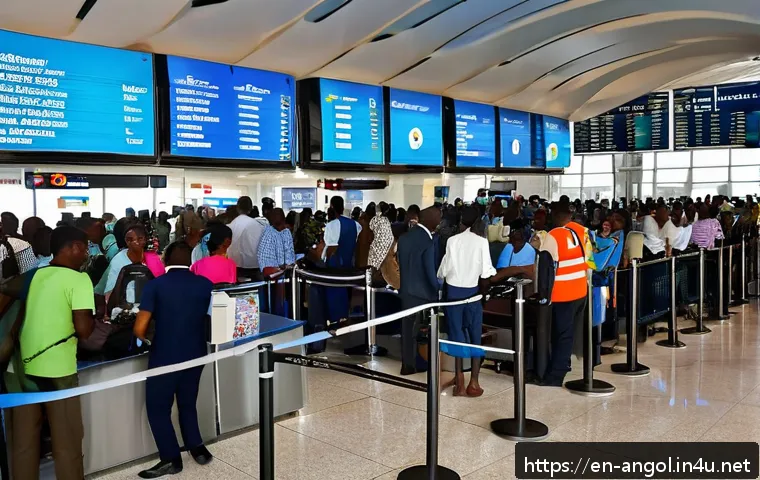
Angolan airports, especially Quatro de Fevereiro International Airport in Luanda, can get quite busy during holidays and weekends. From experience, arriving at least three hours before your flight is wise during these peak times.
Lines can extend quickly, and staff are busier than usual, which might slow down security and customs. One hack I use is to find out if the airport offers any priority lanes for frequent flyers or business class passengers, as these can save you a ton of waiting time.
Mastering Customs Clearance Without the Hassle
Essential Documents and Declarations
Customs clearance is often the most daunting part of any international trip, but Angola’s process can be surprisingly straightforward if you come prepared.
Besides your passport and visa, you’ll need to complete a customs declaration form, which is usually handed out on the plane or available at the airport.
I always fill it out carefully to avoid any misunderstandings. Declaring items like electronics, large sums of cash, or expensive jewelry is mandatory.
Skipping this step can lead to fines or confiscations, which I learned the hard way on an earlier trip.
Strategies for a Quick Customs Process
One insider tip is to pack smart. Avoid carrying unnecessary valuables or restricted items that might trigger extra scrutiny. Also, be honest and polite when answering customs officers’ questions.
I found that a friendly attitude and clear communication often speed things up and reduce the chance of a more thorough inspection. If you’re bringing gifts or commercial goods, having receipts handy can prove invaluable.
For frequent travelers, Angola offers a trusted traveler program that expedites clearance, so it’s worth checking if you qualify.
Handling Currency and Tax Refunds
Angola’s currency, the Kwanza, is not widely accepted outside the country, so customs might ask about your cash holdings. It’s a good idea to declare large amounts and convert leftover Kwanza to USD or Euros before departure, either at the airport or through authorized exchange points.
Unlike some countries, Angola does not have a VAT refund system for tourists, so budget accordingly. I personally exchange only what I’ll need during my stay to avoid carrying excess cash that complicates customs.
Finding Comfort and Convenience Inside Angola’s Terminals
Best Spots to Relax Before Your Flight
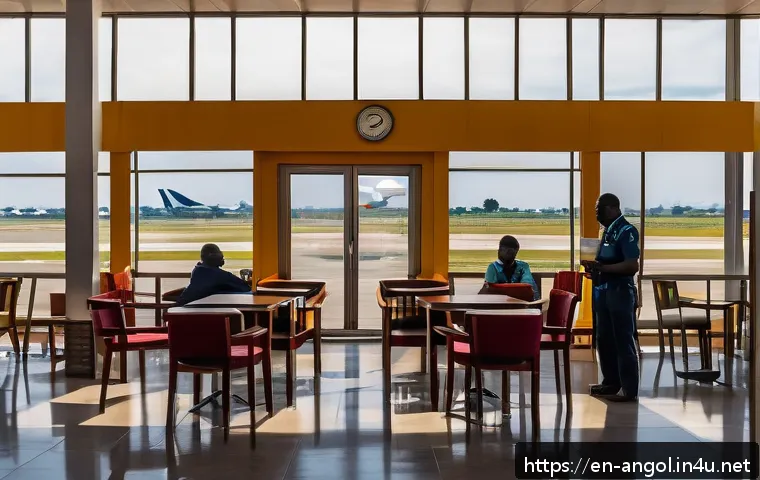
Angola’s airports might not be the most modern globally, but they have hidden gems that make waiting time more pleasant. In Luanda, I discovered several cozy cafes near the departure gates that serve surprisingly good coffee and snacks.
Some lounges offer day passes for around $30, which are a lifesaver for long layovers—think comfy seats, free Wi-Fi, and even shower facilities. Pro tip: arriving early lets you snag a good spot before the crowds descend.
Shopping and Dining Options Worth Exploring
The duty-free shops at Quatro de Fevereiro have a decent selection of local crafts and international brands. I always pick up some Angolan coffee or handwoven baskets as souvenirs.
Dining options are limited but improving; local dishes like moamba chicken are sometimes available in the airport restaurants, giving a taste of Angolan cuisine without leaving the terminal.
For travelers with dietary restrictions, packing some snacks is advisable since vegetarian or gluten-free options are scarce.
Useful Services and Facilities to Know
If you’re traveling with kids or need assistance, Angola’s airports provide family rooms and customer service desks. I once had a delayed flight and found the airport staff incredibly helpful in arranging accommodation and transport.
Wi-Fi is available but can be spotty, so plan your online activities accordingly. Also, ATM machines are present but occasionally run out of cash, so carrying a small amount of local currency when you arrive is smart.
Smart Transportation Choices to and from the Airport
Official Taxis vs. Ride-Hailing Apps
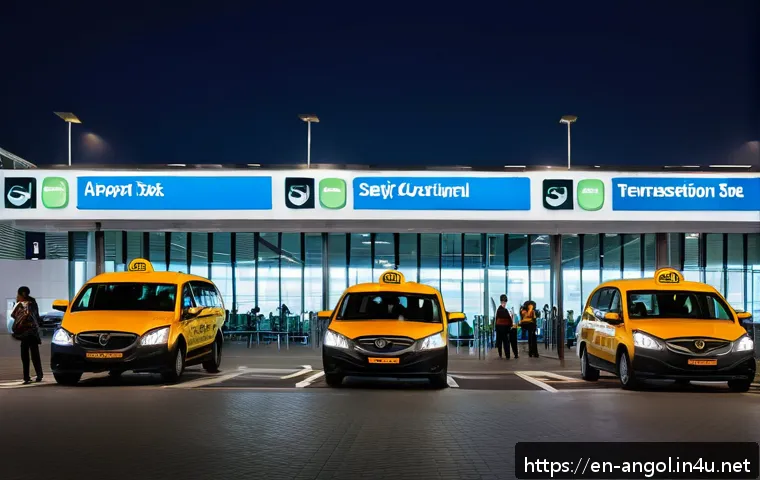
Transportation options vary widely, and knowing the safest and most cost-effective choice can save you a headache. Official airport taxis are reliable but often more expensive than ride-hailing services like Yango or Bolt, which operate in Luanda and offer better rates.
From personal experience, using a ride-hailing app late at night feels safer and more transparent since you can track your route and fare. Always confirm your driver’s identity before getting in to avoid scams.
Public Transport and Shuttle Services
Public buses are available but not recommended for tourists unfamiliar with the routes or language. Some hotels provide shuttle services to and from the airport, which can be arranged in advance.
I found this option convenient and stress-free, especially after long flights when you just want to relax. Booking your transfer ahead online or through your accommodation guarantees a smoother arrival or departure.
Car Rentals and Parking Tips
If you plan to explore Angola extensively, renting a car at the airport is a viable option. Most international rental agencies operate there, but ensure you have an International Driving Permit and familiarize yourself with local driving customs.
Parking at the airport is limited and can fill up quickly during busy periods, so if you’re picking someone up or dropping off, timing is crucial. I usually opt for short-term parking and arrange pickups away from the main terminal to avoid congestion.
Essential Health and Safety Precautions at Angola’s Airports
Health Screening and Vaccination Requirements
Travelers entering Angola must comply with certain health protocols, especially regarding yellow fever vaccination. The airport has health screening stations, and presenting a valid vaccination certificate is mandatory.
On my last trip, the staff were thorough but friendly, making the process smooth. Additionally, keeping hand sanitizer handy and wearing masks is still recommended in crowded areas to reduce infection risks.
Emergency Services and Traveler Support
Angola’s airports are equipped with basic medical facilities and emergency response teams. If you feel unwell or need assistance, approach the information desks immediately.
I once witnessed a fellow traveler receiving quick aid for altitude sickness, which reassured me about the airport’s preparedness. For added peace of mind, purchasing travel insurance with medical coverage is a must when flying through Angola.
Staying Alert and Protecting Your Belongings
Like any busy airport, petty theft can happen, so staying vigilant is key. I always keep my valuables close and use anti-theft bags. Avoid displaying expensive electronics or large amounts of cash in public areas.
If you’re traveling alone, it’s wise to stay in well-lit and populated zones, especially at night. Trust your instincts and don’t hesitate to ask airport staff for help if you feel uneasy.
Comparing Angola’s Major Airports for Your Travel Needs
Luanda’s Quatro de Fevereiro International Airport
This is the main gateway to Angola and offers the most extensive services and international connections. It’s the busiest airport, so expect crowds, but also the widest range of facilities like lounges, shops, and restaurants.
For longer layovers, this airport provides the best comfort options.
Cabinda and Lubango Airports
These regional airports are smaller and less busy, making for quicker check-ins and security. However, amenities are limited, so it’s best to prepare snacks and entertainment if you have a wait.
They serve mostly domestic flights and some regional international routes.
Namibe and Soyo Airports
These airports cater primarily to business travelers and oil industry personnel. Facilities are basic but functional, with fast customs and security processes due to lower passenger volumes.
If you’re traveling here, pre-arranging transportation and accommodations is advisable.
| Airport | Location | Services Available | Best For | Estimated Wait Times |
|---|---|---|---|---|
| Quatro de Fevereiro | Luanda | Lounges, Duty-Free, Cafes, Wi-Fi | International Travelers, Long Layovers | 30-60 minutes during peak |
| Cabinda Airport | Cabinda | Basic Shops, Limited Dining | Domestic Flights, Regional Travel | 10-20 minutes |
| Lubango Airport | Lubango | Basic Facilities, Small Cafes | Domestic and Regional Travelers | 15-30 minutes |
| Namibe Airport | Namibe | Minimal Services | Business Travelers | 5-15 minutes |
| Soyo Airport | Soyo | Basic Amenities | Oil Industry Personnel | 5-15 minutes |
In Conclusion
Traveling through Angola’s airports can be smooth and stress-free with the right preparation. Understanding updated security measures, customs protocols, and available services helps you avoid common pitfalls. From personal experience, staying organized and informed truly makes a difference. With these insights, your journey will be more comfortable and efficient.
Helpful Tips to Remember
1. Always keep your travel documents and liquids organized and easily accessible to speed up security checks.
2. Arrive early during peak travel times to avoid long lines and consider priority lanes if available.
3. Be honest and polite during customs clearance, and declare any valuable items to prevent issues.
4. Take advantage of airport lounges and cafes to relax during layovers and bring snacks if you have dietary restrictions.
5. Choose transportation wisely by comparing official taxis, ride-hailing apps, and hotel shuttles for convenience and safety.
Key Takeaways
Preparing your documents and belongings in advance is essential to navigate Angola’s tightened security smoothly. Understanding customs requirements and currency regulations prevents unnecessary delays or fines. While airport facilities vary across locations, planning your time and services ahead enhances comfort. Staying vigilant about health and safety ensures a worry-free trip, and selecting the right transport option saves both time and money. Following these practical tips will help you enjoy a hassle-free travel experience in Angola.
Frequently Asked Questions (FAQ) 📖
Q: What are the best ways to speed up the customs process at
A: ngola’s airports? A1: From my experience, the key to breezing through customs in Angola is preparation. Make sure all your documents are neatly organized and easily accessible before you reach the counter.
Arrive early to avoid peak times, especially during holidays or weekends when traffic spikes. Also, be polite and patient with the officers—it really helps.
If you have any electronics or items to declare, have them ready to show without fumbling. Using the dedicated lanes for frequent travelers or business class passengers, if available, can also cut your waiting time significantly.
Q: Are there any good spots inside
A: ngola’s airports to relax or grab a bite before a flight? A2: Absolutely! Luanda’s Quatro de Fevereiro Airport, for example, has improved its facilities quite a bit recently.
There are a few local cafes where you can enjoy Angolan coffee and light snacks, which I found both refreshing and authentic. The lounges, though a bit limited, offer comfortable seating and free Wi-Fi, perfect for catching up on work or just unwinding.
If you have time, I recommend exploring the duty-free shops too—they often carry local crafts and souvenirs that make great gifts or keepsakes.
Q: How can travelers ensure their luggage is handled safely at
A: ngola’s airports? A3: This one is crucial. Based on my trips, always use sturdy, lockable luggage and tag it clearly with your contact details.
Avoid checking in valuables; carry them in your hand luggage instead. When you check in, confirm the destination and ensure your bag is tagged correctly by the staff.
At baggage claim, stay close and watch for your luggage to avoid mix-ups. Lastly, consider travel insurance that covers lost or damaged baggage—trust me, it’s worth the peace of mind.