Traveling by train in Angola offers a unique glimpse into the country’s vast landscapes and vibrant culture, but it’s not as straightforward as hopping on a train in more developed rail networks.
The railway system here has a rich history, primarily supporting freight transport, with passenger services limited and often unpredictable. For travelers seeking an authentic experience, understanding the current state of Angola’s rail travel is essential.
Whether you’re planning a scenic journey or trying to connect between cities, knowing what to expect can make all the difference. Let’s dive into the details and see what options are really available for train travel in Angola!
Understanding Angola’s Railway Infrastructure
Historical Background and Current Condition
Angola’s railway system dates back to the early 20th century, primarily constructed to facilitate the export of minerals and agricultural products. Over the decades, the network expanded, but much of the infrastructure suffered damage during the prolonged civil war that lasted until 2002.
Since then, efforts have been underway to rehabilitate key lines, yet many routes remain underdeveloped or partially operational. From my own observations and discussions with locals, the tracks and stations outside major cities often show signs of wear and limited maintenance, reflecting the ongoing challenges in modernization.
This means travelers should temper expectations when it comes to comfort and punctuality.
Main Rail Lines and Their Functions
There are three major rail corridors in Angola: the Luanda Railway (CFL), the Benguela Railway (CFB), and the Moçâmedes Railway (CFM). Each serves distinct regions and has differing levels of freight and passenger activity.
The Benguela Railway, for example, is notable for connecting the Atlantic coast to the mineral-rich hinterlands near the Democratic Republic of Congo, primarily supporting freight but occasionally offering passenger services.
The Luanda line is more urban-centric, linking the capital with northern provinces but with infrequent passenger trains. From my experience, these lines operate more reliably for cargo than for people, so scheduling a passenger journey requires patience and flexibility.
Railway Stations: What to Expect
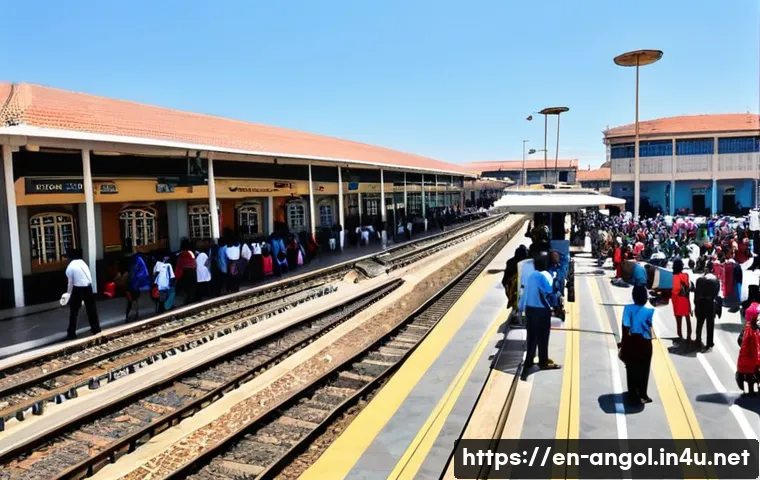
Stations in Angola vary dramatically in size and facilities. In Luanda, the main station is relatively busy and somewhat modernized, offering basic amenities like ticket counters and waiting areas.
However, smaller stations along the lines often lack even fundamental services such as restrooms or clear signage. When I traveled through some rural stops, I noticed platforms were minimal and boarding was a casual affair, often involving climbing on and off freight cars.
This local informality adds to the adventure but also means travelers should prepare for less convenience than they might find elsewhere.
Passenger Train Services and Scheduling Challenges
Frequency and Reliability of Passenger Trains
Passenger trains in Angola do not run on a strict timetable as seen in more developed rail systems. Trains can be delayed by hours or even days due to maintenance issues, weather, or logistical challenges.
I once waited more than six hours at a station for a train that eventually arrived with minimal warning. This unpredictability makes it vital to build flexibility into travel plans and avoid tight connections or fixed schedules.
Local passengers often rely on word-of-mouth or station staff updates, which might not always be timely or accurate.
Booking Tickets and Boarding Process
Unlike many countries where tickets can be purchased online or at automated kiosks, Angola’s rail ticketing remains a largely manual and in-person process.
Travelers should visit stations ahead of time to secure seats, although availability can be limited, especially on more popular routes. During my travels, I found that patience and local language skills helped a lot when negotiating tickets or clarifying departure times.
On boarding, trains can be crowded, with limited seating and sometimes no assigned spots, so arriving early is advisable to claim a good place.
Types of Passenger Services Available
Most passenger services operate on a basic level, with trains offering mostly second-class accommodations. Some routes might have improved carriages with air conditioning or reserved seats, but these are rare and usually more expensive.
I recall riding in a mixed-use train where freight cars and passenger compartments were attached, making for an unusual travel experience that’s both fascinating and somewhat uncomfortable.
Travelers should be prepared for rustic conditions and bring essentials like water, snacks, and personal entertainment.
Scenic Routes and Cultural Insights from the Train Window
Landscape Diversity Along the Railways
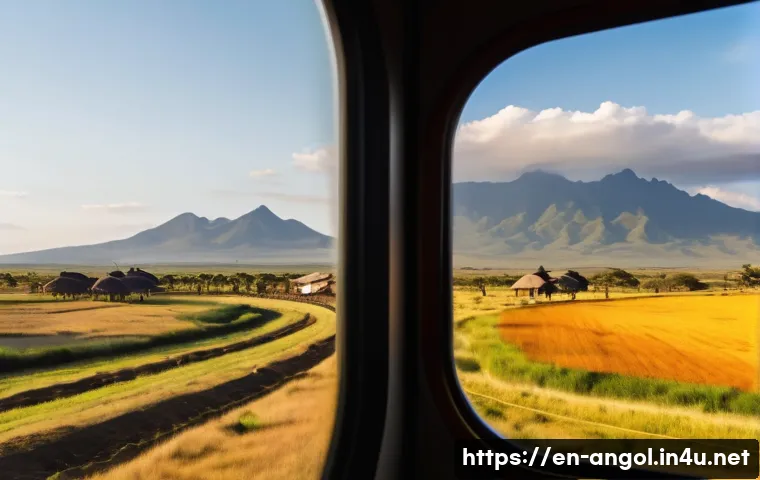
Traveling by train in Angola reveals the country’s diverse geography in a way that flying or driving simply cannot. From the coastal plains near Luanda to the savannas and mountains inland, the scenery changes dramatically.
On one journey along the Benguela line, I watched as urban areas gave way to vast stretches of agricultural land, dotted with small villages and traditional homesteads.
The slow pace of the train allows travelers to absorb these transitions, offering a window into rural life and Angola’s natural beauty.
Interacting with Locals on the Train
Train travel also provides a rare opportunity for cultural exchange. Unlike tourist buses or planes, local trains attract residents from various backgrounds, creating a lively social environment.
I often found myself chatting with farmers, traders, or students eager to share stories or practice English. These interactions give a more authentic glimpse into daily life and local customs, enriching the travel experience far beyond the scenery.
It’s a reminder that sometimes the journey itself is the destination.
Tips for Enjoying the Train Experience
To make the most of train travel in Angola, I recommend packing light but prepared. Bring snacks, water, and a good book or music, since the journey can be long and amenities sparse.
Dress comfortably and be ready for varying temperatures, especially if traveling overnight. Having a phrasebook or translation app helps break language barriers, and keeping a friendly attitude can turn a simple trip into a memorable adventure.
Don’t rush; enjoy the rhythms of the countryside rolling by and the occasional surprise moments that only train travel can offer.
Safety and Practical Considerations for Train Travelers
Security Measures and Passenger Safety
Security on Angola’s trains and stations varies, with major hubs generally safer than remote stops. While violent crime is not widespread on trains, petty theft and pickpocketing can occur, especially in crowded compartments.
During my trips, I took care to keep valuables close and avoid traveling alone at night when possible. It’s wise to stay alert and travel during daylight hours when trains are more populated and staff are available.
Checking with local contacts or trusted guides about the latest safety conditions can provide peace of mind.
Health and Comfort Tips
Facilities on trains are basic, so travelers should be mindful of hygiene and comfort. Carry hand sanitizer, tissues, and any personal medication needed.
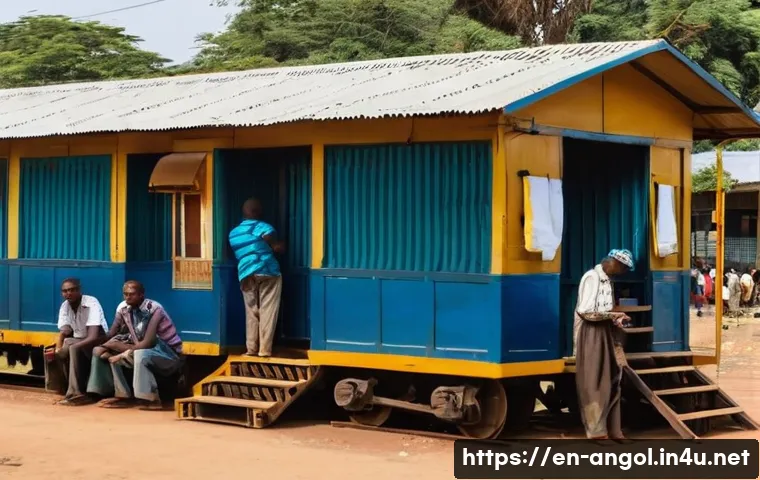
Water quality can be a concern, so bringing bottled water is essential. I noticed that many trains lack onboard restrooms or have facilities in poor condition, making frequent stops for bathroom breaks necessary.
Wearing layers and bringing a travel blanket or shawl can help with fluctuating temperatures. Being prepared reduces stress and allows for a more enjoyable trip.
Dealing with Delays and Unexpected Situations
Delays are common, so mental flexibility is crucial. I learned to view waits as an opportunity to explore small stations, meet locals, or simply rest.
Keeping snacks handy and charging devices beforehand helps pass the time. In case of cancellations, local minibuses or shared taxis sometimes offer alternative transport, though they may be more expensive or less comfortable.
Having a backup plan and staying patient turned these challenges into part of the adventure rather than a frustration.
Comparing Train Travel with Other Transportation Options in Angola
Road Travel vs. Rail Travel
Roads in Angola have seen significant improvements, with many highways now paved and safer than before. Buses and shared taxis offer more frequent schedules and flexibility compared to trains.
When I needed to reach destinations off the rail network, road transport was often faster and more reliable. However, roads can still be rough in rural areas, and traffic congestion around cities is common.
Choosing between road and rail depends largely on the traveler’s priorities—speed and convenience versus scenic immersion and cultural experience.
Air Travel as a Complementary Option
For longer distances, domestic flights provide a time-saving alternative. Angola’s main airports are well-connected to cities like Luanda, Lubango, and Benguela.
Flying is ideal for those with limited time or who want to avoid the unpredictability of trains and roads. However, air travel lacks the intimate, ground-level perspective that train journeys offer.
I personally find combining air travel with a short train segment strikes a nice balance, enabling both efficiency and immersive exploration.
Cost and Accessibility Comparison
Train tickets are generally cheaper than flights but can be comparable to long-distance bus fares. However, the lower frequency and uncertainty of train services may offset the price advantage for some travelers.
Accessibility is another factor—railways serve specific corridors, while road networks cover more remote locations. Here’s a quick summary table to illustrate key differences:
| Transport Mode | Typical Cost | Frequency | Comfort Level | Scenic Value | Accessibility |
|---|---|---|---|---|---|
| Train | Low to Moderate | Infrequent, Unpredictable | Basic, Variable | High | Limited to Rail Lines |
| Bus/Taxi | Moderate | Frequent | Moderate | Medium | Wide Coverage |
| Domestic Flight | High | Regular | High | Low | Major Cities Only |
Planning Your Train Journey: Practical Advice
Best Times to Travel by Train
The dry season, from May to October, is generally the best time to consider train travel in Angola. Tracks are less likely to be affected by flooding or mudslides, and the weather is more pleasant for long trips.
Traveling during holidays or weekends may mean more crowded trains, so mid-week trips can offer a more relaxed experience. I found that planning with local input and checking for any recent service updates beforehand can save a lot of headaches.
What to Pack for Train Travel in Angola
Packing light but smart is key. Essentials include water bottles, snacks, sunscreen, insect repellent, and a power bank. Since amenities are limited, having a small first-aid kit and any personal hygiene items is helpful.
Comfortable shoes and layered clothing accommodate changing conditions inside and outside the train. I always recommend a sturdy backpack rather than a suitcase, as platforms can be uneven and assistance may be minimal.
Useful Resources and Contacts
Finding reliable information can be tricky, but local travel forums, expat groups, and social media communities focused on Angola can be invaluable. Station offices and hotel concierges often provide the latest train schedules or tips.
For those who want more certainty, booking through trusted tour operators who include train travel in their itineraries can remove much of the guesswork.
From my experience, combining multiple sources and remaining adaptable ensures a smoother and more rewarding journey.
Wrapping Up
Exploring Angola’s railway system offers a unique glimpse into the country’s history, culture, and natural beauty. While challenges like irregular schedules and basic facilities exist, the journey itself can be rewarding for those who embrace flexibility and local interactions. With proper preparation, train travel in Angola becomes more than just transportation—it’s an adventure that connects you to the heart of the nation.
Useful Tips to Keep in Mind
1. Travel during the dry season (May to October) for better track conditions and more comfortable weather.
2. Always bring essentials like water, snacks, a power bank, and layered clothing to handle basic amenities and temperature changes.
3. Arrive early at stations to secure a good spot, especially since seating is often unassigned and trains can get crowded.
4. Learn a few local phrases or use a translation app to ease communication and enhance your experience with fellow passengers.
5. Stay patient and flexible with schedules—delays are common, but they often lead to unexpected cultural encounters and memorable moments.
Key Takeaways for Train Travelers
Angola’s rail network is still developing, so expect basic infrastructure and irregular service. Prioritize safety by traveling during daylight hours and keeping valuables secure. Prepare for rustic travel conditions by packing smart and staying adaptable. Combining train journeys with other transport modes can optimize both convenience and cultural immersion. Ultimately, embracing the unpredictability and local atmosphere will make your trip truly authentic and enjoyable.
Frequently Asked Questions (FAQ) 📖
Q: How reliable and frequent are passenger train services in
A: ngola? A1: Passenger train services in Angola are quite limited and often unpredictable compared to more developed rail networks. The railways primarily focus on freight transport, so passenger trains may not run daily or on a fixed schedule.
Travelers should prepare for possible delays or cancellations and check local sources or railway offices in advance. From my experience, it’s best to have flexible plans and consider alternative transport options as a backup.
Q: What can travelers expect in terms of comfort and amenities on
A: ngolan trains? A2: Train travel in Angola tends to be basic, with minimal amenities. The carriages might be older and less maintained than what you’d find in Western countries, so don’t expect air conditioning or onboard catering.
However, this simplicity offers an authentic, immersive experience of local life and scenery. If you’re seeking comfort, bringing your own snacks, water, and entertainment is a smart move.
I found that embracing the rustic charm adds to the adventure rather than detracting from it.
Q: Which routes or cities are best connected by train for travelers wanting to explore
A: ngola? A3: The main railway lines connect key cities like Luanda, Benguela, and Lubango, with the Benguela Railway being the most notable route for scenic travel.
While these lines offer some access between urban centers and inland regions, service gaps remain. For example, connections to remote tourist spots are limited.
From my firsthand experience, using trains between major hubs is doable but pairing rail travel with buses or private transport will help you cover more ground smoothly.
Planning ahead and combining different transport modes is essential for a successful trip.