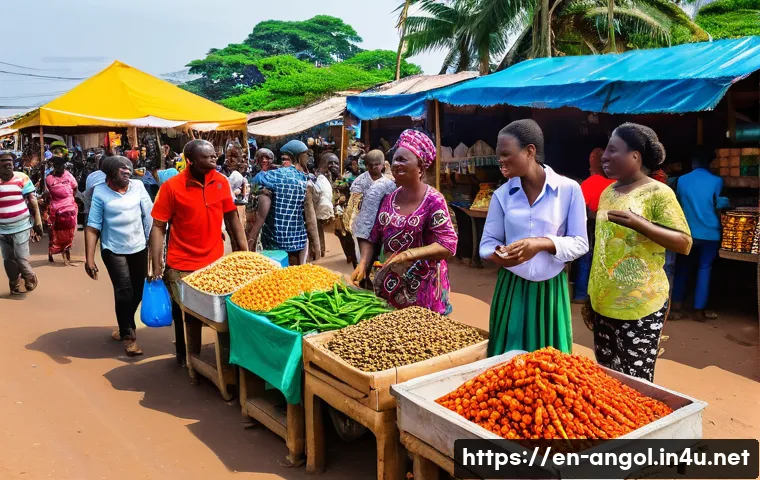
Exploring the cultural differences between Angola and Portugal reveals fascinating contrasts shaped by history, geography, and social norms. While Portugal’s European roots influence its traditions and lifestyle, Angola’s vibrant African heritage brings a unique blend of customs and expressions.
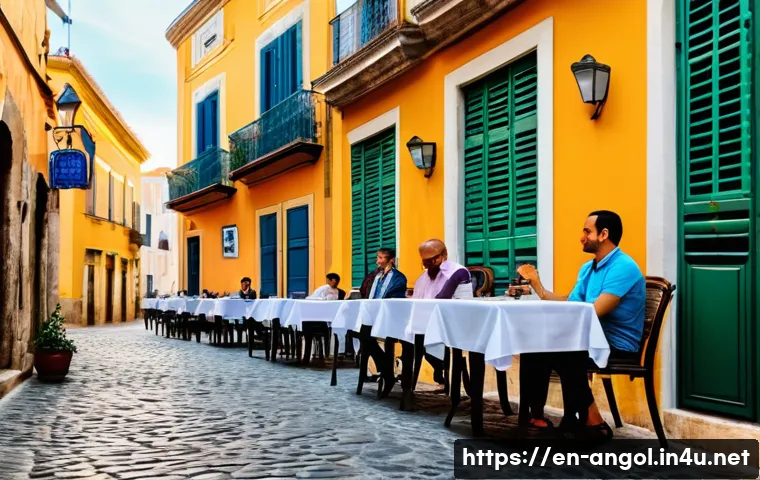
These distinctions can be seen in everything from language and cuisine to music and social interactions. Understanding these nuances not only enriches our appreciation for both cultures but also highlights the dynamic relationship between former colony and colonizer.
Let’s dive deeper into these captivating cultural contrasts and uncover what makes each one truly special. Get ready to discover the details in the following sections!
Everyday Social Etiquette and Communication Styles
Warmth and Formality in Interactions
When you step into a Portuguese social setting, you’ll quickly notice a strong blend of warmth and formality. People often greet with a firm handshake or cheek kisses between friends and family, reflecting a balance of politeness and affection.
In contrast, Angolans tend to be more openly expressive and informal, often using animated gestures and laughter to convey friendliness. I’ve found that in Angola, it’s common to spend a good deal of time chatting before diving into the main topic of conversation, which emphasizes relationship-building over efficiency.
Meanwhile, Portuguese conversations can be more structured, with a clear respect for personal space and a somewhat reserved tone, especially among strangers or in professional contexts.
Language Nuances and Regional Dialects
Portuguese is the official language in both countries, but the way it’s spoken varies dramatically. In Portugal, the language is crisp and fast-paced, with distinct pronunciation that can sometimes feel like a challenge to outsiders.
Angolan Portuguese, on the other hand, incorporates many local African languages and slang, giving it a rhythmic and melodic flair that reflects the country’s diverse ethnic groups.
For example, in Angola, you might hear words borrowed from Kimbundu or Umbundu interwoven into everyday speech, which adds layers of cultural richness.
From my experience, learning these local expressions greatly enhances your ability to connect with Angolans on a deeper level.
Communication in Business and Public Life
Business communication in Portugal typically leans toward formal emails, punctual meetings, and clear hierarchy. Titles and surnames are often used until relationships are well established.
In Angola, the approach is more relaxed and personal; meetings may start late, and building trust through informal chats often precedes formal negotiations.
I remember attending a business meeting in Luanda where the initial 30 minutes were spent discussing family and local events — a stark contrast to the more time-sensitive meetings in Lisbon.
This difference highlights how cultural context shapes professional interactions, and adjusting your style accordingly can make a big difference in outcomes.
Culinary Traditions and Food Culture
Staple Ingredients and Flavor Profiles
Portuguese cuisine is heavily influenced by Mediterranean ingredients such as olive oil, garlic, fresh herbs, and seafood. Dishes like bacalhau (salted cod) are national treasures, prepared in countless variations.
Angola’s food scene, however, bursts with tropical flavors — palm oil, cassava, and spicy stews dominate the table. One of my favorite Angolan dishes is muamba de galinha, a rich chicken stew simmered with palm oil and okra, which contrasts beautifully with Portugal’s more herbaceous and subtle flavors.
The use of local ingredients in Angola reflects the country’s agricultural diversity and the influence of indigenous culinary knowledge passed down through generations.
Dining Customs and Meal Times
In Portugal, lunch is traditionally the main meal of the day, often enjoyed leisurely with family, while dinner tends to be lighter and served later in the evening.
Angolans typically have a more flexible meal schedule, with dinner often being a substantial social event where friends and family gather to share food and stories.
I once joined an Angolan family for dinner, and the meal stretched over several hours — a true celebration of connection. The emphasis on communal dining in Angola contrasts with Portugal’s more structured meal rhythm, yet both cultures place great importance on food as a medium for bonding.
Street Food and Popular Snacks
Portugal offers a variety of beloved snacks like pastéis de nata (custard tarts) and bifanas (pork sandwiches), which are staples at local markets and festivals.
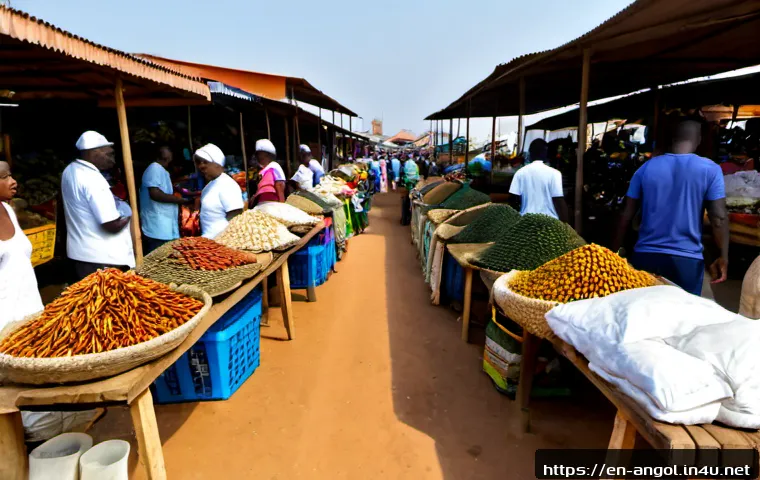
In Angola, street food is vibrant and diverse, with offerings such as funge (a type of cassava porridge) and grilled meats served with spicy sauces. The street food scene in Angola feels like a sensory adventure, full of bold tastes and lively vendor interactions.
I’ve noticed that street food in Angola not only satisfies hunger but also acts as a social glue, bringing people from all walks of life together in bustling market corners.
Music and Dance as Cultural Expressions
Traditional Rhythms and Instruments
Portuguese music, especially Fado, is renowned for its melancholic melodies and poetic lyrics, often accompanied by the Portuguese guitar. It’s a deeply emotional genre that tells stories of longing and saudade (a unique Portuguese word conveying a sense of nostalgic yearning).
Angola’s musical landscape is vibrant and rhythmic, featuring styles like Semba and Kizomba that combine African beats with Portuguese influences. Traditional instruments such as the dikanza (a kind of scraper) and marimba add rich textures to Angolan music, creating an energetic and danceable atmosphere.
Experiencing live music in both countries reveals how history and geography shape artistic expression in contrasting but equally compelling ways.
Social Functions of Music and Dance
In Portugal, music often accompanies festivals, religious ceremonies, and intimate gatherings, serving as a way to preserve cultural memory and identity.
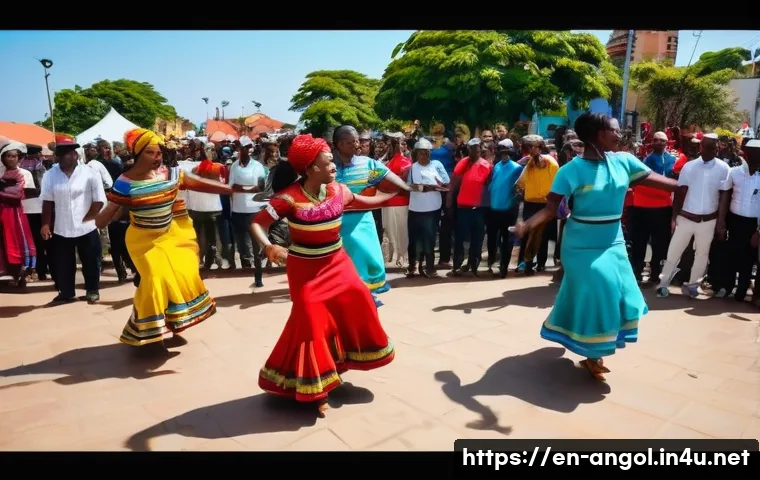
Angolan music and dance, meanwhile, are integral to celebrations, social events, and even political expression. I’ve seen how dances like Kizomba foster a sense of community and joy, with their close partner movements symbolizing unity and trust.
The participatory nature of Angolan dance contrasts with Portugal’s more performative music settings, highlighting different cultural attitudes toward collective experience and individual expression.
Modern Influences and Global Trends
Both countries have embraced contemporary music styles, blending traditional sounds with global genres like hip-hop, pop, and electronic music. Portuguese artists often incorporate fado elements into modern tracks, creating a fusion that appeals to younger generations.
Similarly, Angolan musicians are innovating by mixing Semba and Kizomba with urban beats, gaining international recognition. From my perspective, this dynamic evolution shows how culture is not static but continually reshaped by new influences, technologies, and cross-cultural exchanges.
Family Structures and Social Roles
Household Dynamics and Generational Bonds
Portuguese families tend to be close-knit, often centered around multi-generational households, especially in smaller towns and rural areas. Respect for elders is deeply ingrained, with traditions emphasizing care and support across generations.
Angola shares this strong familial focus but with an even more pronounced communal spirit. Extended family networks often live nearby or together, providing a robust support system that includes not just blood relatives but close friends considered family.
I’ve witnessed how this communal approach creates a sense of belonging and resilience, particularly in challenging times.
Gender Roles and Expectations
In Portugal, gender roles have evolved significantly, with increasing emphasis on equality and shared responsibilities in both home and work life. However, some traditional expectations still linger, especially in more conservative regions.
Angola’s social roles are shaped by a blend of traditional customs and modern influences. Women often play vital roles in family management and community leadership, although challenges related to gender equality persist.
Observing daily life in Angola, I noticed the strength and resourcefulness of women who balance multiple responsibilities while actively contributing to economic and social spheres.
Celebrations and Life Milestones
Both cultures celebrate key life events such as weddings, baptisms, and birthdays with enthusiasm, but the rituals and scale differ. Portuguese celebrations often include formal ceremonies followed by gatherings with food and music, reflecting a blend of religious and cultural traditions.
Angolan festivities tend to be more exuberant, with extended family and neighbors joining in lively parties that can last for days. I recall attending an Angolan wedding where the energy and communal participation were unlike anything I’d seen before, highlighting the importance of collective joy and cultural pride.
Religious Beliefs and Practices
Dominant Faiths and Spiritual Traditions
Catholicism is the predominant religion in Portugal, deeply influencing holidays, rituals, and social norms. Churches are central to community life, and religious festivals are celebrated nationwide with great devotion.
Angola also has a strong Catholic presence, but traditional African spiritual practices and Protestant denominations coexist, creating a rich tapestry of beliefs.
I found it fascinating how many Angolans seamlessly blend Christian faith with indigenous customs, reflecting a syncretic spirituality that honors both heritage and modern faith.
Religious Festivals and Community Impact
In Portugal, events like Easter and Christmas involve solemn ceremonies and family gatherings, often marked by traditional foods and music. Angolan religious festivals are similarly important but often incorporate vibrant dances, colorful attire, and communal feasts that bring entire villages or neighborhoods together.
Experiencing these festivals firsthand, I sensed how religion acts as a powerful social glue in both cultures, fostering unity and cultural continuity through shared rituals and celebrations.
Role of Religion in Daily Life
Religion in Portugal tends to influence moral values, holidays, and social customs, though secularism is increasingly common, especially among younger generations.
In Angola, faith often plays a more visible role in daily life and decision-making, with churches serving not only as spiritual centers but also as hubs for social support and education.
From my observations, this active religious engagement shapes community resilience and individual identity in profound ways, offering both comfort and a framework for navigating life’s challenges.
Climate Influence on Lifestyle and Architecture
Adaptation to Weather Patterns
Portugal’s Mediterranean climate with hot, dry summers and mild, wet winters shapes outdoor lifestyles and seasonal activities. People enjoy long evenings at cafes or beaches during summer, while cozy indoor gatherings dominate winter.
Angola’s tropical climate is characterized by a wet and dry season, with lush landscapes and intense heat influencing daily routines. I noticed that Angolans often schedule activities to avoid midday heat, favoring early mornings and late afternoons for work and socializing, a practical adaptation that shapes the rhythm of life.
Architectural Styles and Urban Planning
Portuguese architecture blends historic elements like azulejos (decorative tiles) and Manueline stonework with modern designs. Urban centers feature narrow cobblestone streets and pastel-colored buildings, creating a charming yet functional environment.
Angola’s architecture reflects a mix of colonial Portuguese influences and indigenous styles, with vibrant colors and open-air designs suited to the climate.
In Luanda, for example, I saw how newer developments incorporate contemporary aesthetics while respecting traditional spatial arrangements, balancing heritage and modernization.
Outdoor Activities and Recreation
The climate differences also influence recreational habits. Portugal offers abundant hiking trails, coastal activities, and wine tours that attract locals and tourists alike.
Angola’s natural environment encourages outdoor socializing, fishing, and music festivals held in open spaces. I found that both cultures cherish their natural surroundings but engage with them in ways that reflect their unique environments and cultural priorities, enriching everyday experiences.
| Aspect | Portugal | Angola |
|---|---|---|
| Language | European Portuguese, formal, faster speech | Angolan Portuguese with local language influences, rhythmic |
| Social Etiquette | Formal greetings, reserved interactions | Expressive, informal, relationship-focused |
| Cuisine | Mediterranean flavors, seafood, olive oil | Tropical ingredients, palm oil, spicy stews |
| Music & Dance | Fado, melancholic, poetic | Semba, Kizomba, energetic, communal |
| Family Structure | Close-knit, multi-generational, respect for elders | Extended family, communal, women as central figures |
| Religion | Predominantly Catholic, formal rituals | Catholic and indigenous blends, vibrant festivals |
| Climate Impact | Mediterranean, outdoor cafes, coastal activities | Tropical, seasonal routines, open-air living |
Conclusion
Exploring the cultural nuances of Portugal and Angola reveals a fascinating blend of tradition and modernity. From social etiquette to culinary delights, each country offers a unique perspective shaped by history and environment. Understanding these differences enriches our appreciation and helps build meaningful connections. Whether in business, family, or everyday life, embracing these cultural insights opens doors to deeper relationships and authentic experiences.
Useful Information to Keep in Mind
1. Portuguese spoken in Portugal is faster and more formal, while Angolan Portuguese includes local dialects and a rhythmic tone.
2. Social interactions in Portugal tend to be more reserved and formal; in Angola, warmth and expressiveness take center stage.
3. Culinary traditions differ greatly—Portugal favors Mediterranean ingredients, whereas Angola offers bold, tropical flavors.
4. Music and dance reflect cultural identity: Portugal’s Fado contrasts with Angola’s lively Semba and Kizomba.
5. Family and religious practices highlight communal bonds, with Angola emphasizing extended networks and vibrant festivals.
Key Takeaways
Recognizing the contrasts in communication styles and social customs between Portugal and Angola is essential for effective interaction. Adaptability in tone, timing, and formality can enhance both personal and professional relationships. Embracing local culinary and musical traditions not only enriches cultural understanding but also fosters genuine connections. Lastly, appreciating the role of family, religion, and climate in daily life helps navigate social expectations with respect and sensitivity.
Frequently Asked Questions (FAQ) 📖
Q: How do language differences between
A: ngola and Portugal affect communication between people from these countries? A1: While both Angola and Portugal share Portuguese as their official language, the way it’s spoken differs significantly.
Angola’s Portuguese incorporates many local expressions, slang, and influences from indigenous languages, making it distinct from the European Portuguese heard in Portugal.
This can sometimes cause misunderstandings or require adjustments when people from these countries communicate. From my experience, it’s like chatting with someone who shares the same language but with a strong regional accent and unique phrases, which adds charm but occasionally needs clarification.
Q: What are some key cultural traditions that highlight the differences between
A: ngola and Portugal? A2: One striking difference lies in celebrations and social gatherings. In Portugal, traditional festivals often have deep religious roots, like the famous Festas de Lisboa, with a focus on saints and historical customs.
Angola’s cultural expressions, on the other hand, are vibrant, energetic, and heavily influenced by African rhythms and community spirit, such as the colorful Luanda Carnival.
I’ve noticed Angolan events tend to emphasize collective joy and dance, reflecting their rich heritage, whereas Portuguese festivities feel more formal and rooted in centuries-old traditions.
Q: How do food and cuisine reflect the cultural contrasts between
A: ngola and Portugal? A3: The culinary worlds of Angola and Portugal are deliciously different yet connected. Portugal’s cuisine often features seafood, olive oil, and hearty stews with subtle seasoning, reflecting Mediterranean influences.
Angola’s food is bold and diverse, with staples like funge (a cassava-based dish), spicy moamba chicken, and fresh tropical fruits. When I tasted Angolan dishes, the flavors were vibrant and intense, showcasing local ingredients and African cooking styles, whereas Portuguese meals felt more restrained and refined.
Both offer amazing experiences but tell different cultural stories through their flavors.