Planning a trip to Angola? How exciting! This vibrant country in Southern Africa offers a rich tapestry of culture, stunning landscapes, and unforgettable experiences.
But trust me on this, navigating a new destination isn’t just about knowing where to go or what to see; it’s also about understanding the unspoken rules, the subtle nuances that can make all the difference between a smooth journey and an awkward moment.
From my own travels and interactions, I’ve learned that respecting local customs isn’t just polite—it genuinely enhances your entire experience, opening doors to authentic connections you might otherwise miss.
What might seem perfectly normal back home could unintentionally cause offense or be perceived as disrespectful in Angolan society. Avoiding these cultural missteps means you can truly immerse yourself without a hitch, making your visit memorable for all the right reasons.
In today’s interconnected world, being culturally aware is more valuable than ever, ensuring you show genuine appreciation for the people and places you visit.
Let’s dive into the crucial details and make sure you’re fully prepared for an incredible Angolan adventure!
Navigating Social Greetings and Introductions

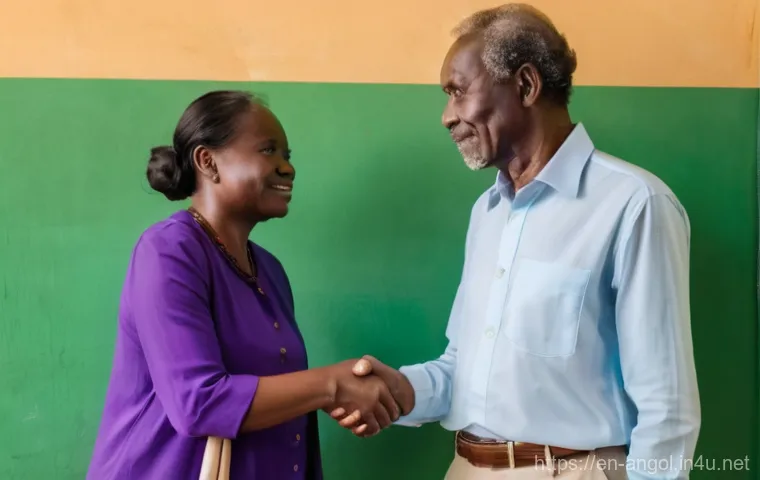
Stepping into Angolan society, you’ll quickly discover that greetings are more than just a formality; they’re a cornerstone of respect and connection. I’ve personally learned that taking the time to engage in a proper greeting sets the tone for all your subsequent interactions. When you meet someone new, especially an elder or someone in a position of authority, a firm but gentle handshake is almost always appropriate. It’s not just a quick shake and release like in some Western cultures; in Angola, it often involves a slightly longer hold, perhaps even a gentle grasp of the forearm with your left hand if you’re trying to show extra respect, though that’s more common in very close relationships. What I’ve really come to appreciate is the verbal exchange that accompanies it – asking about family, health, and well-being before diving into business or other topics. Skipping this vital initial exchange can make you seem abrupt or even rude, which is definitely not the impression you want to make. I remember once, early in my travels, rushing a greeting because I was so focused on my agenda, and I could feel the slight shift in the person’s demeanor. It was a subtle signal, but it taught me a valuable lesson about slowing down and truly connecting. This isn’t just about good manners; it’s about acknowledging the other person’s humanity and place in the community before anything else.
The Importance of the Handshake
A handshake in Angola is often the first bridge you build between yourself and another person. It’s expected, regardless of gender or age, though sometimes women might offer a softer handshake. When greeting multiple people, it’s customary to shake everyone’s hand, starting with the eldest or most senior person first. I’ve found that maintaining eye contact during this initial gesture is key to showing sincerity. It’s a non-verbal cue that says, “I see you, and I respect you.” In my experience, attempting to bypass this step, even if you’re just running into someone briefly, can unintentionally create distance. I learned this when I tried to offer a quick wave to someone I’d met before, and they paused, extending their hand, clearly expecting the full greeting. It was a gentle reminder that some traditions are simply non-negotiable and are deeply woven into the fabric of daily life. This isn’t about rigid rules, but about the unspoken language of respect that makes social interactions flow smoothly.
Respectful Addressing
When addressing people, especially those older than you or in positions of authority, using titles is paramount. You might hear “Senhor” for men and “Senhora” for women, followed by their surname. If you don’t know their surname, just the title itself is a safe bet. It’s a sign of respect that goes a long way. My personal encounters have shown me that even if someone is fluent in English, using these Portuguese titles demonstrates your effort to embrace their culture, and it’s always met with a warm smile. Referring to someone by their first name without an invitation, particularly in a formal or initial setting, can be perceived as overly familiar or disrespectful. It’s always better to err on the side of formality and wait for cues to become more informal. I distinctly recall a business meeting where I observed a younger colleague from another country address an Angolan elder by his first name, and while the elder was gracious, there was a noticeable, albeit subtle, coolness in the air afterwards. These are the small things that can make a big difference in building trust and rapport.
Understanding Dress Codes and Public Appearance
When I think about preparing for a trip, packing is always a puzzle, but in Angola, it’s not just about fashion; it’s about cultural awareness. My advice, from my own numerous visits, is to lean towards conservative and modest attire, especially in urban areas and when visiting official buildings or religious sites. For women, this generally means covering shoulders and knees. You don’t need to wrap yourself head-to-toe, but tight-fitting or overly revealing clothing can draw unwanted attention or be seen as disrespectful. For men, collared shirts and trousers are almost always a safe bet. I’ve found that even in the humid climate, locals appreciate the effort to dress respectfully. It’s not about stifling personal style, but about blending in and showing reverence for the local norms. I remember once seeing a tourist enter a beautiful church in Luanda in very short shorts and a tank top, and while no one confronted them directly, the hushed whispers and disapproving glances were palpable. It made me realize how much our clothing choices speak volumes before we even utter a word, and how important it is to respect the sanctity of such places.
Modesty in Attire
The concept of modesty runs deep in Angolan culture, and it’s something I always keep in mind when packing my suitcase. This doesn’t mean you need to forgo comfortable clothing, especially if you’re exploring more rural areas or engaging in adventurous activities. However, when you’re in cities like Luanda, or attending any kind of formal gathering, dressing smart and conservatively shows respect for the community and your hosts. For ladies, long skirts, dresses, or tailored trousers paired with blouses that cover your shoulders are perfect. Gents will find collared shirts and smart trousers to be universally accepted. Think “smart casual” as your default setting. I’ve noticed that while Western fashion trends are certainly present, there’s still a strong underlying value placed on understated elegance and modesty. It’s truly a lovely balance, and adhering to it simply makes you feel more comfortable and welcomed wherever you go. I’ve personally felt a noticeable difference in how locals engaged with me when I was dressed appropriately versus when I might have been a bit too casual – the warmth and openness just amplify.
Professional Settings and Occasions
If your trip to Angola involves any business meetings or formal events, your wardrobe choices become even more critical. Here, formality is generally appreciated. For men, a suit and tie are the standard for business. For women, a formal dress, a tailored suit, or a skirt and blouse combination that is elegant and understated is ideal. Flashy jewelry or overly trendy outfits might be out of place. My own experience in professional settings has taught me that meticulous attention to your appearance not only conveys professionalism but also respect for the people you are meeting and the occasion itself. Angolan business culture values a polished image, which reflects not just on you but on your organization. I’ve witnessed first-hand how a well-dressed individual commands more attention and respect in a room. It’s not about being ostentatious; it’s about presenting yourself in a way that aligns with the serious and respectful nature of professional interactions, which I find incredibly admirable.
The Art of Communication: Body Language and Tone
Communication in Angola goes far beyond just the words you speak; it’s deeply interwoven with body language, tone, and the subtle cues we often overlook. As someone who’s spent a lot of time observing and engaging, I can tell you that understanding these non-verbal signals is like unlocking a secret language. For example, direct eye contact can be a sign of respect in many Western cultures, but in some Angolan contexts, especially with elders or superiors, prolonged direct eye contact might be interpreted as challenging or disrespectful. It’s a delicate balance that I’ve learned to navigate over time, often by observing how locals interact with each other. I’ve also found that a calm, measured tone of voice is always preferred. Raising your voice or showing overt frustration can be seen as highly impolite and can unfortunately shut down communication rather than open it up. There was an instance where I saw a tourist, flustered by a misunderstanding, start to speak loudly, and the Angolan person they were talking to immediately became withdrawn. It truly highlighted for me how much our emotional expression needs to be tempered to match the local communication style.
Non-Verbal Cues to Observe
Paying attention to subtle body language can save you from potential misunderstandings. For instance, pointing with an index finger is generally considered rude. Instead, people often gesture with an open hand or a slight nod of the head. When passing items, always use your right hand, or both hands, as the left hand can be associated with personal hygiene and is generally avoided for such interactions. I’ve personally made a conscious effort to adopt these small gestures, and the appreciative smiles I receive confirm that these efforts are noticed and valued. Also, personal space can sometimes be closer than what you might be accustomed to in Western cultures, especially during conversations with friends or family. Don’t be alarmed if someone stands a bit closer; it’s usually a sign of engagement and warmth rather than an invasion of space. These aren’t just arbitrary rules; they are integral parts of expressing respect and camaraderie within Angolan society, and embracing them enriches your own experience significantly.
The Nuance of Directness
While honesty is appreciated, direct confrontation or overly blunt communication can often be seen as aggressive or rude. Angolans often prefer a more indirect approach, especially when discussing sensitive topics or disagreements. Softening your language, using polite phrases, and allowing room for interpretation can go a long way. I’ve learned that sometimes, what isn’t said is as important as what is. If someone gives a vague answer or says “maybe” when you expect a “yes” or “no,” it might be a polite way of declining or expressing reservations without causing offense. It’s a skill that takes practice to discern, but once you start recognizing these nuances, your interactions become so much smoother. I remember a time when I was pressing for a direct answer on a particular matter, and the person kept deflecting. It wasn’t until a local friend explained the cultural preference for indirectness that I understood my approach was creating discomfort. Adapting to this style fosters better relationships and avoids unnecessary friction, showing you respect their way of communicating.
Dining Etiquette: Sharing Meals and Gestures
Dining in Angola is often a communal and joyful experience, and I’ve found that truly embracing the local dining etiquette can turn a simple meal into a memorable cultural immersion. Food is a significant part of Angolan hospitality, and being invited to share a meal is a genuine honor. When you’re offered food, it’s polite to accept at least a small portion, even if you’re not particularly hungry. Refusing outright can be seen as impolite or even insulting to the host’s generosity. I’ve learned to always appreciate the effort and warmth behind the offer. Meals are often shared from common platters, and it’s customary to wait for the host or the eldest person to begin eating. This act of waiting isn’t just about deference; it’s about acknowledging their position and leadership within the family or group. I vividly recall my first time sharing a traditional Angolan meal where everyone waited patiently. It created a beautiful sense of unity and anticipation, and when the host finally gestured to begin, it felt like a collective celebration of food and company. These moments are truly some of my favorite memories from my travels.
The Right Hand Rule
This is a big one, and something I always remind myself of: when eating with your hands, always use your right hand. In many African cultures, including Angola, the left hand is traditionally associated with personal hygiene and is therefore considered unclean for eating or passing food. Even if you’re left-handed like me, it’s crucial to make the effort to use your right hand for anything related to food, whether you’re serving yourself, passing a dish, or eating from a communal bowl. I’ve definitely had to train myself on this, and while it felt awkward at first, it quickly became second nature. It’s a fundamental sign of respect that shows you’re aware of and honoring local customs. If you’re using cutlery, this rule naturally doesn’t apply as strictly, but when in doubt, especially in a more traditional setting, stick to your right hand. It’s a small gesture that speaks volumes about your cultural sensitivity and your desire to connect authentically.
Appreciating Hospitality
Angolan hospitality is incredibly warm and generous. Your hosts will often go out of their way to make you feel comfortable and well-fed. Expressing your gratitude, perhaps with a simple “Obrigado” (for men) or “Obrigada” (for women) and a genuine smile, goes a long way. If you’re a guest, it’s not uncommon for your plate to be refilled, sometimes multiple times, as a sign of continued generosity. While you don’t have to eat everything, accepting a little more and saying “no, thank you” politely and firmly when you’ve had enough is usually fine. I’ve learned that a modest compliment about the food or the host’s efforts is always appreciated. I once stayed with a family who offered me an incredible spread of food, and simply saying how delicious everything was and how grateful I was for their kindness created an immediate bond. It’s these moments of shared humanity and appreciation that truly make travel so rewarding.
Gift-Giving and Receiving with Grace
Gift-giving is a beautiful way to express gratitude and strengthen bonds in Angolan culture, and navigating it gracefully is an art. From my personal experiences, I’ve learned that a thoughtful gift, chosen with care, can truly open doors and hearts. It’s not about the monetary value; it’s about the gesture and the respect it conveys. If you’re invited to someone’s home, bringing a small gift for the host or their children is a lovely custom. Something practical from your home country, or even a local delicacy or a piece of art, can be deeply appreciated. However, it’s also important to be subtle. Presenting a gift too overtly or expecting immediate recognition can sometimes feel boastful. I’ve found that offering the gift quietly, perhaps at the beginning or end of your visit, with a sincere expression of appreciation, is the most graceful approach. It’s about building relationships, not showing off, which is a principle I deeply resonate with in Angolan interactions.
Thoughtful Gestures
When selecting a gift, consider the context and the relationship. For a business associate, a branded item from your company or a high-quality pen might be appropriate. For a family you’re visiting, something that can be shared, like a nice bottle of wine (if they drink alcohol) or a selection of sweets for the children, is usually well-received. Avoid giving anything too expensive that might make the recipient feel obligated or uncomfortable. My general rule of thumb is to choose something that shows you put thought into it, rather than just grabbing the first thing you see. I once brought some unique artisanal chocolates from my home country to a family I was staying with, and their delight was absolutely infectious. It wasn’t an extravagant gift, but it was something they wouldn’t easily find locally, and the personal touch made it special. It’s these small, thoughtful gestures that truly resonate and leave a lasting positive impression.
Accepting with Appreciation
Just as important as giving gifts is how you receive them. If you are offered a gift, accept it graciously and with both hands as a sign of respect. It’s also customary to perhaps not open the gift immediately in front of the giver, especially in a public setting. Instead, setting it aside to open later can be seen as more polite. This isn’t a universal rule, and sometimes the host might encourage you to open it, in which case, do so with enthusiasm. Regardless, always express sincere gratitude. I remember receiving a beautifully carved wooden statuette from an Angolan friend, and my genuine excitement and thanks seemed to truly warm their heart. The key is to show genuine appreciation for the thought behind the gift, regardless of its size or perceived value. It strengthens the bond and reinforces the mutual respect between you and the giver, making the whole exchange feel genuinely heartfelt.
Photography Practices: Capturing Memories Respectfully
Angola offers countless picturesque scenes and vibrant cultural moments, making it a photographer’s dream. However, my travels have taught me that capturing these memories requires a delicate balance of enthusiasm and respect. It’s easy to get caught up in the moment, but indiscriminately taking photos can sometimes be seen as intrusive or disrespectful, especially when it involves people. I’ve made it a personal rule to always seek permission before pointing my camera at someone, particularly children or individuals in traditional dress. A simple gesture, a smile, and asking “Posso tirar uma foto?” (Can I take a photo?) in Portuguese, often opens the door to a willing subject and a much more authentic interaction. I once tried to quickly snap a photo of a street vendor, thinking I was being subtle, but they noticed and gave me a look that conveyed discomfort. That experience really drove home the importance of direct, respectful engagement. It’s not just about getting the shot; it’s about acknowledging the person you’re photographing and respecting their autonomy. Plus, when you get permission, the resulting photos often have a much more genuine and relaxed feel because the subject is a willing participant.
Asking for Permission
Before you raise your camera, especially for close-up shots of individuals, it’s always best to ask for permission. A simple request, accompanied by a friendly smile, shows that you respect their privacy and are not treating them as mere objects. Sometimes, people might politely decline, and it’s absolutely crucial to respect their decision without argument or persistent requests. They might have personal or cultural reasons, and it’s not for us to question them. Other times, they might happily agree, perhaps even striking a pose! I’ve found that a small thank you afterwards, sometimes even showing them the photo on your camera, can create a wonderful moment of connection. I remember asking a group of fishermen if I could photograph them with their catch, and after a moment of consideration, they broke into huge smiles and enthusiastically agreed. The resulting photos were incredible, and the interaction itself was priceless. It’s all about building rapport, even if it’s for a fleeting moment.
Sensitive Subjects
Be particularly mindful when photographing certain subjects. Military installations, government buildings, police, and anything that could be considered sensitive security-wise should generally be avoided unless you have explicit permission, which is rare for tourists. Also, be thoughtful about taking pictures in areas of poverty or distress. While the desire to document reality can be strong, it’s essential to consider the dignity of the people you are photographing. Exploitational or sensationalist photography is definitely not the way to go. I personally choose to focus on the vibrant life, the stunning landscapes, and the incredible resilience of the Angolan people, rather than their struggles. It’s about portraying a nuanced and respectful view of the country. I once opted not to photograph a particular scene that, while visually striking, felt too intrusive and potentially exploitative of people’s vulnerability. Trust your gut and always prioritize human dignity over a compelling photograph. It’s a personal ethical boundary that I believe every responsible traveler should maintain.
Public Decorum: Maintaining Respectful Behavior
Maintaining respectful public decorum in Angola isn’t just about avoiding overt offense; it’s about gracefully integrating into the local rhythm and showing consideration for everyone around you. From my firsthand observations, Angolan society values order, politeness, and a certain degree of formality in public spaces. This means being mindful of your volume in public, especially in quiet areas or during conversations. Loud chatter or boisterous behavior, while perhaps acceptable in some Western settings, can be perceived as disruptive or even disrespectful here. I remember being in a busy market in Luanda, and despite the hustle and bustle, most conversations were conducted at a moderate level, creating a surprisingly calm atmosphere. It really made me reflect on how much our public presence impacts the collective experience. It’s also important to be patient. Things might move at a different pace than you’re used to, whether it’s waiting in line or for service. Rushing or showing impatience can be viewed negatively, so a relaxed attitude and a willingness to wait are truly assets.
Punctuality and Patience
While “Angolan time” might suggest a relaxed approach to schedules, punctuality is generally appreciated, especially for formal appointments like business meetings or social invitations. For professional engagements, arriving on time, or even a few minutes early, shows respect for the other person’s time. For social gatherings, a little flexibility is often expected, but don’t be excessively late. That said, I’ve also learned the importance of patience, particularly when dealing with bureaucracy or services. Things might take longer than anticipated, and showing frustration won’t speed anything up; it might even hinder progress. I’ve personally found that a calm demeanor and a friendly approach, even when things are moving slowly, yield much better results than impatience. It’s about understanding that different cultures have different rhythms, and adapting your expectations accordingly makes the experience much less stressful for everyone involved. Sometimes, simply taking a deep breath and accepting the pace is the best strategy.
Observing Local Norms
Beyond specific rules, a general awareness of your surroundings and an openness to observe and learn local norms will serve you incredibly well. For example, public displays of affection, while common in some cultures, are generally kept discreet in Angola. While holding hands might be acceptable for couples, passionate kissing or overly intimate gestures in public spaces are usually frowned upon. I’ve also noticed that littering is something Angolans generally take pride in avoiding in cleaner areas, so always dispose of your waste properly. Another aspect to consider is asking for directions or help – always approach with politeness and a humble attitude. The Angolan people are incredibly welcoming and helpful, and a respectful approach will almost always be met with kindness. I once got a bit lost in a smaller town, and by simply approaching a local with a hesitant smile and asking for help, I was not only pointed in the right direction but also given several useful tips for my journey. These small interactions truly highlight the beautiful spirit of the country.
| Cultural Tip Category | Do’s in Angola | Don’ts in Angola |
|---|---|---|
| Greetings | Offer a firm handshake; ask about well-being; use titles like Senhor/Senhora. | Rush greetings; address elders by first name without invitation; avoid eye contact with peers. |
| Attire | Dress modestly, covering shoulders and knees; opt for smart casual or formal wear in cities/for business. | Wear overly revealing clothing; dress too casually in formal settings or religious sites. |
| Communication | Speak in a calm, measured tone; use open hand gestures; be indirect with sensitive topics. | Point with an index finger; raise your voice; engage in direct confrontation. |
| Dining | Accept food when offered; use your right hand for eating; express gratitude for hospitality. | Refuse food outright; use your left hand for eating or passing food; be impatient during meals. |
| Photography | Always ask for permission before photographing people; be respectful of sensitive subjects. | Take photos of people without consent; photograph military/government sites; exploit vulnerable situations. |
글을 마치며
Whew! What a journey we’ve been on, diving deep into the beautiful tapestry of Angolan culture. My hope, as I share these insights from my own travels and interactions, is that you feel a little more prepared, a little more excited, and a whole lot more confident about your own adventures in this incredible country. It’s truly a place where respect, warmth, and connection pave the way for unforgettable experiences. Remember, these aren’t just rules to follow; they’re invitations to engage more deeply, to learn, and to grow. The moments where I stumbled, where I misunderstood, were often the very ones that taught me the most, forging a stronger bond with the people and the land. So, go forth with an open heart and an observant eye, and let Angola surprise and enchant you!
알아두면 쓸모 있는 정보
For those of you planning your Angolan adventure, here are a few extra nuggets of wisdom I’ve picked up along the way that can make your trip even smoother:
1. Currency and Cash: The local currency is the Angolan Kwanza (AOA). While major hotels and some larger establishments in Luanda might accept card payments, cash is king, especially once you venture outside the capital. Always carry smaller denominations for markets, local transport, and tipping. ATMs are available in urban centers, but it’s always wise to have some local currency on hand when you arrive. I’ve found that exchanging a bit of USD or Euros at reputable banks or exchange offices can be straightforward, just make sure to keep your exchange receipts!
2. Language Basics Go a Long Way: Portuguese is the official language, and while many people in business or tourism may speak some English, knowing a few basic phrases in Portuguese will truly enhance your experience. Simple greetings like “Olá” (Hello), “Obrigado/a” (Thank you – male/female), “Por favor” (Please), and “Desculpe” (Excuse me/Sorry) can open doors and warm hearts. I always try to learn at least 10-15 key phrases before I travel, and in Angola, this effort was met with so many genuine smiles and helpful responses.
3. Transportation Tips: In Luanda, you’ll find official blue and white taxis, and ride-sharing apps like Africell Taxi are gaining traction. For a more local (and often faster, though sometimes less comfortable) experience, you’ll see “candongueiros,” which are shared minibusses. If you use candongueiros or unofficial taxis, always agree on the fare before you start your journey. For inter-city travel, buses are available, but for longer distances or more comfort, domestic flights are a good option. I’ve personally found that hiring a reputable local driver for longer trips offers a good balance of safety and flexibility.
4. Staying Connected: Getting a local SIM card is relatively easy and affordable, offering excellent value for mobile data, which is crucial for navigation and staying in touch. Providers like Unitel and Africell are popular. You’ll need your passport to register. Wi-Fi is generally available in hotels, guesthouses, and many cafes in major cities, but don’t expect it to be lightning-fast everywhere. Having your own mobile data plan gives you so much more freedom and peace of mind when exploring.
5. Health and Safety Preparedness: As with any international travel, it’s crucial to be prepared. Consult your doctor well in advance about necessary vaccinations (Yellow Fever is often required) and malaria prophylaxis. Always drink bottled or filtered water. While Angola is generally safe for tourists, it’s always wise to be aware of your surroundings, especially in crowded areas or at night. Keep valuables out of sight and avoid walking alone in unfamiliar areas after dark. Trust your instincts, and don’t hesitate to ask locals for advice on safe practices.
중요 사항 정리
Pulling all of this together, my biggest takeaway from all my time in Angola is that respect, patience, and a genuine desire to connect are your most valuable assets. From the warm, often extended handshakes and the careful use of titles like Senhor and Senhora, to understanding the nuances of indirect communication, every interaction is an opportunity to show you value their culture. Dressing modestly, especially when navigating cities or visiting sacred sites, speaks volumes about your awareness and consideration. And when it comes to shared meals, remember that accepting food with your right hand and expressing heartfelt gratitude for their incredible hospitality can truly transform a simple dining experience into a cherished memory. Always, always seek permission before capturing a photograph of people, ensuring you honor their dignity above all else. Embracing these facets of Angolan etiquette isn’t just about avoiding missteps; it’s about unlocking a richer, more authentic travel experience and forging meaningful connections that will stay with you long after you’ve returned home. It’s an adventure that engages not just your senses, but your heart and mind, too.
Frequently Asked Questions (FAQ) 📖
Q: What are the most important greetings and social etiquette tips I should know when meeting
A: ngolans? A1: From my experience, greetings in Angola are super important and shouldn’t be rushed! It’s not like back home where a quick “hey” might suffice.
Angolans value politeness and a proper greeting is an indispensable part of any interaction. You’ll find that a handshake is the most common way to say hello, often with direct eye contact and a friendly smile.
For women, especially among close friends, a light kiss on each cheek is pretty common, similar to some European traditions. What I found really lovely is that it’s customary to take a moment to ask about a person’s family or well-being after the initial greeting – things like “Como está?
Tudo bem?” (How are you? All good?) go a long way in showing you value the personal connection. And here’s a golden rule: always greet elders first and address them with respect, often using titles like “Senhor” (Mr.) or “Senhora” (Mrs.) until they invite you to use their first names.
In more formal or business settings, they might even expect a slight bow when you’re introduced to someone older or in a senior position. Oh, and one more thing I learned: while Angolans are warm, personal space is generally respected, especially with strangers.
So, don’t stand too close during conversations, as it might be perceived differently than what you’re used to!
Q: What should I wear in
A: ngola to show respect for local customs, and are there any specific dress codes to be aware of? A2: This is a great question, and it’s definitely something I paid close attention to during my travels!
Generally, Angolans tend to dress quite well, especially in urban centers like Luanda. For everyday wear, you’ll see people rocking Western-style attire, like casual trousers and shirts for men, and dresses or skirts for women.
However, it’s super important to lean towards conservative dressing, especially when you’re venturing out of the main cities or visiting religious sites and government buildings.
I always packed modest attire – think long trousers or skirts and tops that cover your shoulders – and it felt appropriate and respectful. Revealing clothing can be seen as disrespectful, so it’s best to save those outfits for somewhere else.
In more traditional rural areas, women often wear wrap-around batik dresses, and even men’s attire tends to be simple and neat. For any formal events or business meetings, you’ll definitely want to dress up, with a suit and tie for men and a professional dress or suit for women, as this really shows respect and professionalism.
Q: Is tipping customary in
A: ngola, and if so, how much should I tip and in what situations? A3: Tipping in Angola can be a bit different from what you might be used to, so I’m glad you asked!
It’s not always officially encouraged, but it is certainly appreciated, especially in the tourism and service industries. From my personal experience, and what I gathered from locals, if a service charge isn’t already included in your restaurant bill, a tip of about 10-15% is standard for good service.
Keep in mind that Luanda can be quite expensive, so restaurant prices might be higher than expected. For taxi drivers, it’s not super common to tip, but rounding up the fare is a nice gesture and often appreciated.
If you have a local guide who’s truly enhancing your experience, a tip of around 10% of their fee is a great way to show your gratitude. Many Angolans working in service industries don’t earn a lot, so a small tip can really make a big difference for them.
While it’s discretionary, I always felt better knowing I was showing appreciation for their hard work.